
COVID-19 has returned to public conversation after fresh cases and deaths were reported in parts of southern India. Odisha’s health department has now raised vigilance before the Rath Yatra, a gathering that brings large crowds into Puri. The move is preventive, not a declaration of another national wave.
For most Indians, this is not a reason to panic or return to 2020-style restrictions. It is, however, a timely reminder to use masks in packed indoor spaces, stay home when unwell, and protect older relatives. The latest developments point towards targeted caution rather than blanket rules.
Why Odisha Called The High-Level Covid Meeting
Odisha Health and Family Welfare Minister Mukesh Mahaling chaired a high-level meeting in Bhubaneswar on July 14, 2026. Senior health officials reviewed surveillance, hospital readiness, and preventive steps ahead of Rath Yatra. The review followed COVID reports from neighbouring Andhra Pradesh and Tamil Nadu. Odisha officials said the state was equipped and asked people not to panic, according to the report on the high-level health meeting.
Hospitals across Odisha were asked to remain alert. Ganjam, which shares regular cross-border movement with Andhra Pradesh, ordered Covid testing for hospitalised patients with severe acute respiratory infection. At least 5% of influenza-like illness samples are also being randomly screened. Officials additionally reviewed isolation wards, oxygen beds, medicines, and reporting systems.
The timing is important. Rath Yatra draws visitors from several states, creating long periods of close contact in trains, buses, queues, hotels, and crowded streets. Surveillance before such an event can spot clusters early without disrupting travel or daily life. People travelling to Puri should carry masks and avoid packed queues whenever they develop a fever or a cough.
Does India Face A Fresh Covid Wave?
Current evidence does not show a nationwide COVID wave. Andhra Pradesh reported two deaths and eight other positive cases, but state officials described them as sporadic. They also said no fresh cases had appeared for six days by July 15. Samples were sent to Pune’s National Institute of Virology for genome sequencing, while a five-member specialist committee reportedly found no sign of a new subvariant.
One deceased patient had diabetes and kidney disease. The second had acute breathlessness, pneumonia, and extensive lung damage. These cases deserve medical attention, yet they do not prove that a more dangerous strain is spreading across India. The Indian Express Covid assessment also records the Andhra health secretary’s view that the cluster was not an outbreak.
Tamil Nadu separately said there was no evidence of a high-severity strain and that case levels remained below those of earlier years. The Hindu’s official Instagram update reported the Kadapa death that brought Covid back into the headlines.
Global figures also need careful reading. The WHO Covid-19 dashboard warns that many countries have reduced testing or changed reporting schedules. A low reported count does not always mean the virus has disappeared. The WHO’s May 2026 variant update tracked XFG, NB.1.8.1, and BA.3.2, with available evidence showing no added public-health risk compared with other circulating variants. India’s official Covid dashboard remains the appropriate place to check national notices and public guidance.
Which Covid Precautions Should Indians Restart Now?
Indians do not need to mask everywhere. A selective approach works better, especially during travel, hospital visits, crowded events or time spent with vulnerable family members.
- Wear a well-fitting mask in packed indoor areas, clinics, public transport and poorly ventilated rooms.
- Stay home when fever, cough, sore throat or unusual tiredness appears.
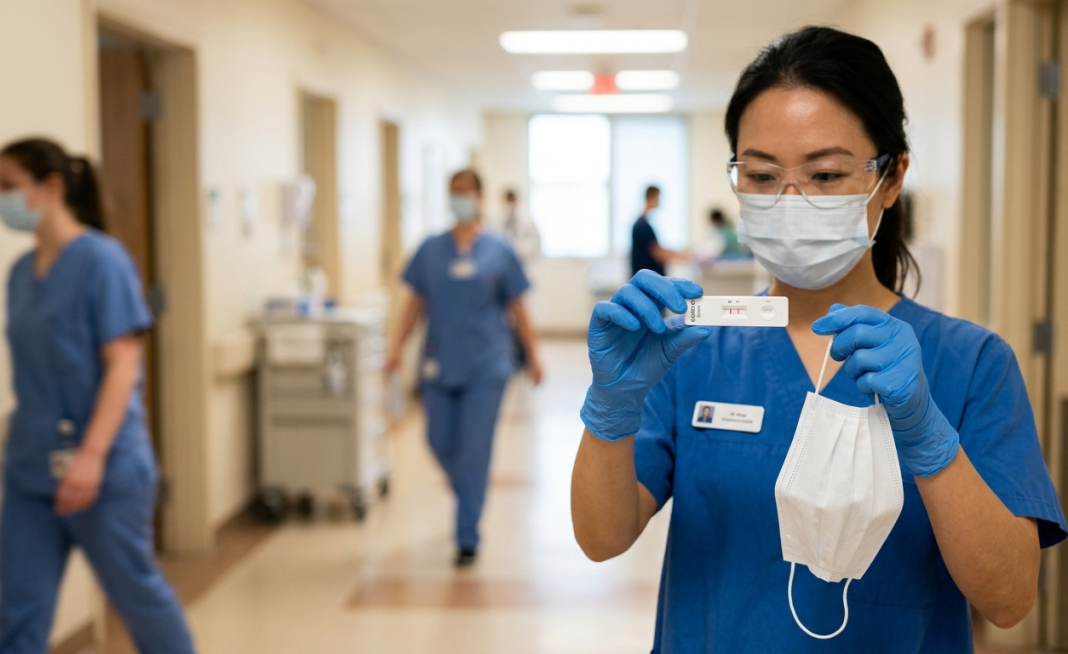
- Test after exposure or persistent symptoms, particularly before meeting an elderly or immunocompromised person.
- Improve airflow by opening windows and avoiding tightly packed rooms for long periods.
- Seek medical help for breathing trouble, chest pain, confusion, bluish lips or worsening symptoms.
- Cover coughs, wash hands after public contact and avoid sharing utensils while ill.
These steps remain commonly recommended for limiting respiratory infections, especially where ventilation is poor or people have symptoms.
Who Should Be More Careful?
Older adults, pregnant women, people with diabetes, heart or kidney disease, chronic lung illness, cancer, or reduced immunity should act earlier. They should contact a doctor when symptoms persist rather than relying only on home remedies. Families can also reduce exposure by postponing visits when anyone has a respiratory infection.
Vaccination history should be discussed with a qualified doctor, particularly for high-risk people. Booster advice can differ by age, health condition, previous doses and the vaccines currently available. Avoid buying medicines or taking antibiotics without medical advice.
The broader message from the high-level health meeting on Covid spread is simple. India is not facing confirmed nationwide emergency conditions, but the virus still circulates. Small precautions during crowded travel and respiratory illness can limit household transmission without reviving fear.
Frequently Asked Questions
Should Indians start wearing masks again everywhere?
No, but masks are advisable in crowded indoor places, hospitals, transport, and poorly ventilated rooms.
What are the common Covid symptoms in 2026?
Fever, sore throat, cough, tiredness, headache, blocked nose, and muscle pain remain commonly reported symptoms.
Does the Odisha meeting confirm another Covid wave?
No, the meeting reviewed preparedness before Rath Yatra after states reported sporadic Covid cases recently.
When should someone take a Covid test?
Test after known exposure, persistent respiratory symptoms, or before meeting someone medically vulnerable at home.
Who faces a higher risk from Covid infection?
Older adults, pregnant women, immunocompromised people, and patients with chronic illnesses face greater medical risk.