

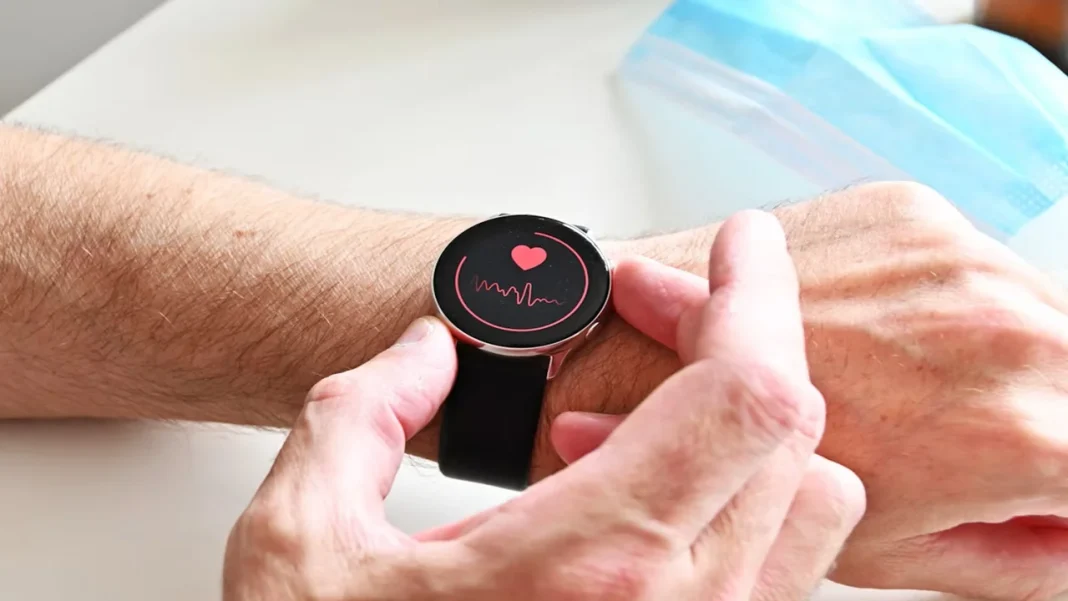

There are many changes that occur with ageing, but an irregular or racing heartbeat need not be considered a normal part of ageing. A common heart rhythm disorder that you need to be aware of is known as atrial fibrillation or AFib.
When older patients understand what is going on with their heart and ageing, they can identify signs and symptoms and get medical attention as early as possible.
What Happens in Atrial Fibrillation?
A normal heart has a regular rhythm. In AFib, the heart’s two upper chambers (the atria) beat chaotically. The blood may not flow through the heart as smoothly and may be intermittent or persistent. This estimated figure is nearly 7.9 million people in India who suffer from AFib.
Why Does the Risk Rise With Age?
One risk factor is age, but as people get older, they don’t automatically develop AFib. The upper chambers can enlarge over time, and scar-like tissue can develop that interferes with the electrical signals. Irregular rhythms can also be caused by other health issues.
High blood pressure, heart disease, diabetes, obesity, thyroid issues, chronic kidney disease, sleep apnoea, moderate to heavy drinking, and smoking are also risk factors. About one in five AFib cases is caused by high blood pressure, according to the United States Centers for Disease Control and Prevention.
Signs That Should Not Be Ignored
AFib can result in a fluttering, racing, or pounding heart. Others experience unusual tiredness, dizziness, weakness, or breathlessness. Others may not have any specific symptoms, so the condition can be uncovered only when the patient gets a medical examination or if it leads to complications.
The major worry is stroke. The atria can also beat irregularly, which may cause blood to pool and clot. A blood clot can travel to the brain and stop blood from getting to it, which can lead to stroke. According to the CDC, about one in seven strokes are caused by AFib, and it’s linked to a risk an estimated 5 times greater for ischaemic stroke.
When Should You Get Checked?
Do not assume persistent palpitations, unexplained tiredness or breathlessness are simply signs of age. A clinician may check your pulse, review your health history and use an electrocardiogram, also called an ECG or EKG, to record the heart’s electrical activity. A longer-term heart monitor may be needed if episodes are intermittent.
Treatment depends on the person. It may include medicines to control heart rate or rhythm, and blood thinners when needed to lower the risk of clots and stroke. Regular physical activity, managing blood pressure and diabetes, maintaining a healthy weight, avoiding tobacco and limiting alcohol can support heart health, but they do not replace medical care.
Chest pain, fainting or signs of stroke, such as sudden face or arm weakness, trouble speaking or sudden vision problems, need emergency medical help. A heart rhythm check can be an important step. AFib is treatable, and early detection can help reduce its risks.
Stay Informed: 5 Important Health Updates You Should Know!
1. What’s New With Ayushman Bharat 2026?
Discover the latest Ayushman Bharat updates and key announcements from Arogya Manthan 2026.
2. What Happened With 220 Drug Samples?
Uncover the findings behind 220 drug samples flagged as substandard in August 2026.
3. What Does Cashless AYUSH Insurance Cover?
Find out about cashless AYUSH treatment, insurance requirements and patient benefits.
4. Who Qualifies for Vay Vandana Benefits?
Explore the Vay Vandana Card’s eligibility rules and free healthcare benefits for senior citizens.
5. Where Can Ayushman Cardholders Get Treatment?
Check out how to find hospitals offering Ayushman Card treatment in 2026.