
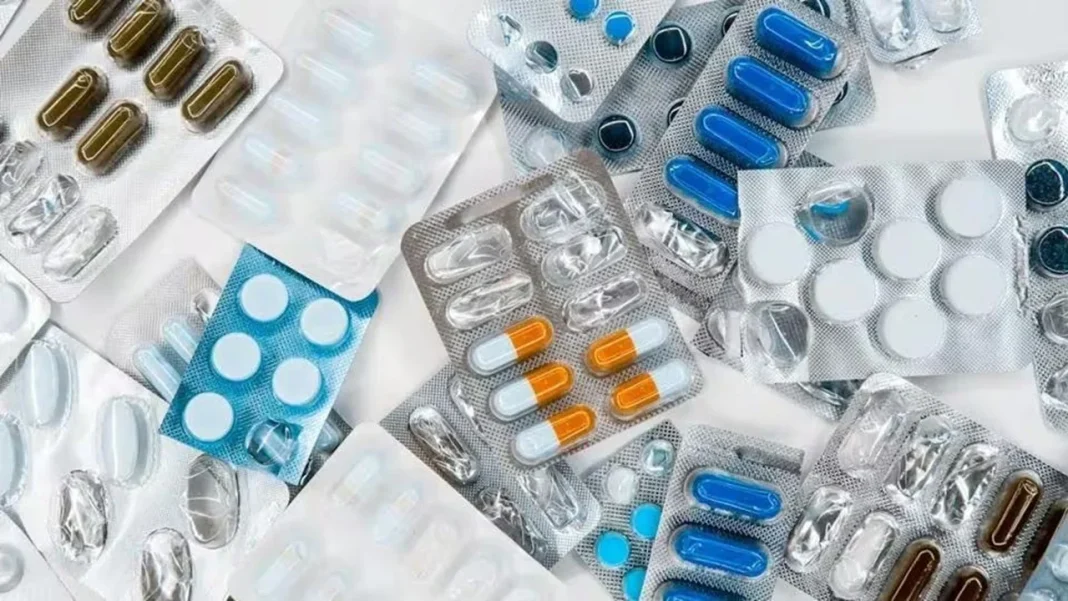

India’s drug regulator has flagged 220 medicine samples as Not of Standard Quality (NSQ) after checks conducted during August 2026. The Central Drugs Standard Control Organization (CDSCO) said 29 samples were identified by Central Drugs Laboratories, while 191 were reported by State Drugs Testing Laboratories.
The August alert, released on September 22, is not a blanket warning against every medicine carrying the same name. CDSCO says an NSQ finding applies to the particular batch tested. One separate sample collected in Delhi was also classified as spurious and is under investigation.
What Did CDSCO Find In The August 2026 Drug Checks?
The monthly surveillance covered medicines collected from sales and distribution points across India. Samples can be marked NSQ when they fail prescribed parameters such as assay, dissolution, sterility, particulate contamination, pH, description or other pharmacopoeial requirements.
The CDSCO official NSQ Alerts portal allows users to filter alerts by year, month and reporting source. The regulator says these monthly checks are carried out with state authorities so affected batches can be identified and removed from the market.
The headline number was lower than the 280 NSQ samples reported for July 2026. Even so, August’s list includes medicines used for infections, diabetes, pain, gastric conditions, allergies and hospital procedures.
Which Medicines Appeared In The August Quality Alert?
Among the 29 batches reported by central laboratories, several widely used formulations failed specific tests. These are some notable entries, not the full 220-sample list:
- Amoxicillin and potassium clavulanate tablets, batch GBR1240, failed the dissolution test for amoxicillin.
- Rabeprazole sodium 20 mg tablets, batch N2600742, failed a buffer-stage dissolution test.
- Amikacin sulphate injection, batch UGL-24375A, was flagged for particulate matter and description.
- Haloperidol injection, batch HP404, failed the sterility test.
- Glycopyrrolate injection, batch I-7981, also failed sterility testing.
- Vildagliptin 50 mg tablets, batch VFGT1214, failed the assay requirement.
- Itraconazole capsule batches from Kivi Labs and Azot Life Sciences were flagged for dissolution failures.
The central-lab list also included a paracetamol-containing pain tablet combination, dexamethasone injection, rabeprazole injection, clopidogrel tablets and a cough preparation. Reports on the wider alert also noted paracetamol products, metformin combinations, amoxicillin formulations, vitamin supplements and cough syrups among the NSQ medicines.
Another part of the alert has drawn attention to Himachal Pradesh, one of India’s major pharmaceutical manufacturing centers. The Tribune reported that 62 of the 220 NSQ samples were made by firms in the state, including units around Baddi, Nalagarh, Paonta Sahib, Kala Amb, Solan, Kangra and Una. State Drugs Controller Manish Kapoor said affected batches would be withdrawn from the market. Several flagged injections were reported with particulate-matter defects, making those entries especially notable.
Why The Delhi Telma-AM Case Is Different
One Telmisartan 40 mg and Amlodipine 5 mg tablet sample sold as Telma-AM, carrying batch number 18230791, was collected in Delhi and classified as spurious. According to the alert, the manufacturer named on the label told authorities it had not manufactured that batch.
That is different from an NSQ result. A spurious medicine may involve an unauthorised maker using another company’s brand identity or otherwise presenting a drug as something it is not. The CDSCO portal explains the legal definition of a spurious drug. The Delhi case remains under investigation.
The finding comes during a wider regulatory push. On September 22, CDSCO also issued a circular on indiscriminate use of NSAID painkillers and antibiotics, citing kidney-related risks. Earlier, on September 5, the regulator published a notice on coordinated action against illegal manufacture and distribution of misbranded drugs.
What Should Patients Do If Their Medicine Appears On The List?
Patients should first check the exact product name, manufacturer, and batch number against the official CDSCO alert. A medicine name appearing in an NSQ report does not automatically mean every batch of that medicine has failed. CDSCO has specifically said its findings relate to the batch tested.
People taking regular prescriptions should not stop treatment abruptly after seeing a headline. They can contact their pharmacist or doctor, especially if their pack carries the same batch number as an alert. Buying medicines from licensed pharmacies and keeping the strip, box or invoice also makes verification easier.
FAQs
What does NSQ mean for a medicine?
NSQ means the tested batch failed one or more prescribed drug-quality parameters during laboratory testing.
Were all 220 medicines fake?
No, 220 samples were NSQ; one separate Delhi sample was classified as spurious by regulators.
Which common medicines appeared in the alert?
The wider alert included paracetamol, amoxicillin formulations, metformin combinations, vitamins, cough medicines and several injectables.
Should patients stop using a listed medicine immediately?
Patients should check batch number and speak with a doctor or pharmacist before changing treatment.
Where can consumers check the official list?
Consumers can use CDSCO’s online NSQ Alerts portal and filter results by month and year.
What’s Changing in India’s Healthcare Landscape?
Why Were Crores Of Food Seized?
Check out the latest food safety enforcement action across Karnataka.
Could US Tariffs Hurt Indian Pharma?
Find out how higher US tariffs could affect Indian drugmakers.
Can Cancer Drugs Become More Affordable?
Uncover the Supreme Court’s focus on affordable cancer treatment access.
What Does Mounjaro’s India Entry Mean?
Explore Mounjaro’s pricing, side effects, and market response in India.
Will Chemists Strike Disrupt Medicine Access?
Browse emergency outlets and online medicine delivery options during the strike.