

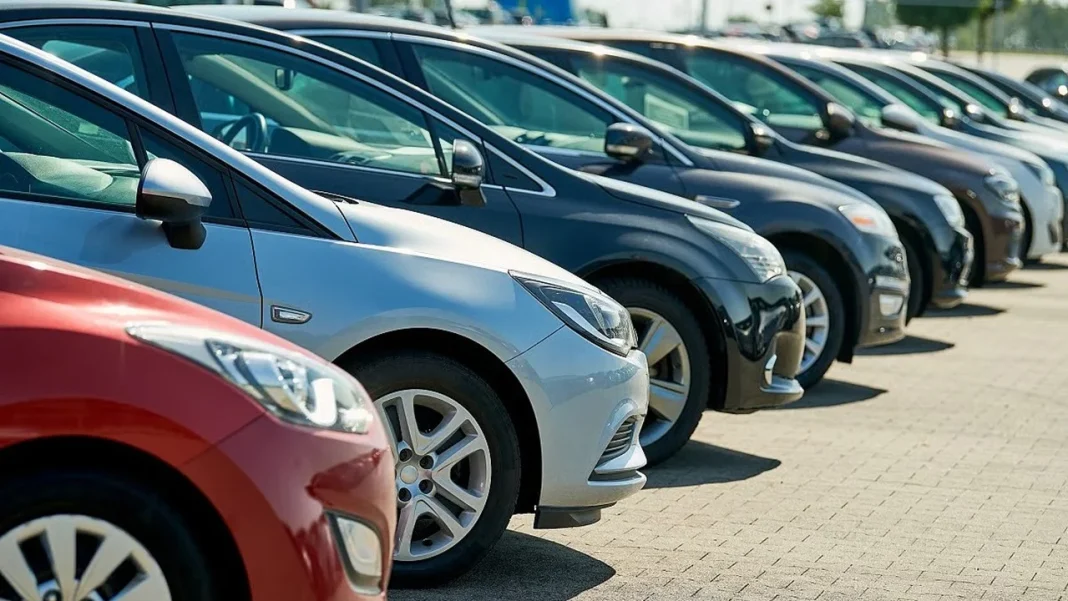

India’s proposed Rent a Cab rules would reduce entry barriers for rental operators while adding vehicle-tracking, insurance and customer-support duties for self-drive and chauffeur-driven services.
The Ministry of Road Transport and Highways outlined the reforms in its 12 November announcement. The proposal is still a draft: the five-car threshold and other changes should not be treated as permissions already available to businesses.
Key Highlights
- Minimum fleet proposed to fall from 50 vehicles to five.
- At least two cabs would remain necessary at each operating location.
- The draft proposes electronic licensing and stronger rental-service obligations.
What Is Proposed and When Could It Apply?
The ministry circulated the draft Rent-A-Cab Scheme, 2026 with an office memorandum dated 6 November. Stakeholder comments are invited until 5 December 2026.
Its proposed commencement date is 1 January 2027. That date appears in the draft text, not in a final notification establishing that the replacement scheme has taken effect.
The proposal would supersede the Rent a Cab Scheme, 1989. A five-vehicle business plan still depends on the final scheme and licensing approval.
Self-Drive Rentals and Operator-Provided Drivers
The new wording expressly covers rentals with or without a driver supplied by the operator. The earlier scheme already allowed a hirer to engage a licensed driver separately. Operator-provided chauffeur services gain explicit coverage; hiring a separate licensed driver was already allowed.
Licensing Changes: Fewer Cars, One State-Level Application
A single electronic application would cover approved operating locations within a State or Union Territory. It would not create one nationwide business licence.
| Requirement | Existing Scheme | Proposed 2026 Scheme |
| Overall minimum fleet | 50 motor cabs | At least five motor cabs |
| Vehicles at each operating location | Five at specified out-of-area branches | At least two cabs per location |
| Application fee | ₹5,000 for main office; ₹1,000 for specified branches | ₹25,000 regardless of fleet size or locations |
| Five-tourist-city branch network | Required | Requirement removed |
| Licence duration | Five years | Five years |
Fewer vehicles lower the fleet entry requirement, but the proposed application fee is higher. Tracking equipment and service arrangements also belong in an operator’s cost calculation.
Two different approval clocks need attention:
- Grant or renewal: A proposed 60-day processing period, subject to the scheme’s conditions.
- Fleet or location changes: Deemed approval after 30 days without acceptance or rejection of the relevant application.
The second mechanism is not automatic approval of a fresh business licence.
VAHAN records would support electronic administration. However, the draft also requires a physical register, so “online licensing” should not be read as removing every paper-record obligation.
Vehicle Tracking and Passenger Safety Requirements
The draft would exclude vehicles that have completed nine years from first registration. Registration, fitness and pollution certificates would need to be valid, with applicable taxes paid.
Comprehensive insurance would cover the renter, driver, and other occupants up to the vehicle’s passenger capacity. Operators would also need arrangements for repairs and towing, with first-aid kits inside vehicles.
For passengers, three provisions deserve attention:
- Tracking: Vehicles would need location-tracking devices; renters would have to report a defective or non-functional device immediately.
- Child restraints: Cars would need provision for installation, and operators would supply a restraint system when a renter requires one.
- Operator-provided drivers: Valid driving licences and police verification would be required, alongside specified welfare obligations.
The child-seat wording is more specific than saying every rental must permanently carry an installed seat. Families would still need to communicate their requirement when booking.
The ministry’s public summary also describes round-the-clock grievance support. Separately, the draft proposes resolving website grievances within 24 hours and conducting an inquiry into specified driver complaints within seven days.
Round-the-clock support does not mean every driver investigation finishes within one day.
Operators could face penalties, suspension or revocation, with states specifying material and non-material contraventions. The proposal includes opportunities to correct non-material breaches and electronic appeal hearings.
Frequently Asked Questions
Would existing Rent a Cab licences expire immediately?
No. The draft’s saving provision would preserve licences issued under the 1989 scheme for their remaining validity. Renewal would then take place under the replacement framework.
Would five cars be enough for three operating locations?
No. Although the overall minimum would be five, each operating location would need at least two cabs. Three locations would therefore require a minimum of six vehicles.
Is the proposed ₹25,000 fee a passenger rental charge?
No. It is the proposed application fee for an operator’s licence, not a fare payable by passengers. Rental prices and booking charges are separate from that fee.
Would tracking automatically include a customer mobile app?
The draft requires vehicle-location tracking but does not promise renters a particular app or live-sharing feature. Ask the operator what tracking information is available during the rental.
How can stakeholders comment on the proposed scheme?
The ministry requests comments by 5 December 2026 in a Word table identifying the paragraph, existing wording, suggested change, and reasons. Its memorandum provides the submission address.
Explore More Vehicle Rules, Road Safety and Transport Updates!
1. How Will CAFE III Affect Cars?
2. What Changes Under Vehicle Scrapping Rules?
3. Which Vehicles Face Delhi Entry Checks?
Find out how Delhi’s BS-VI vehicle entry rules affect vehicle checks and pollution compliance.
4. What Does FASTag’s Annual Pass Offer?
5. Why Are Ride Apps Requesting Tips?