

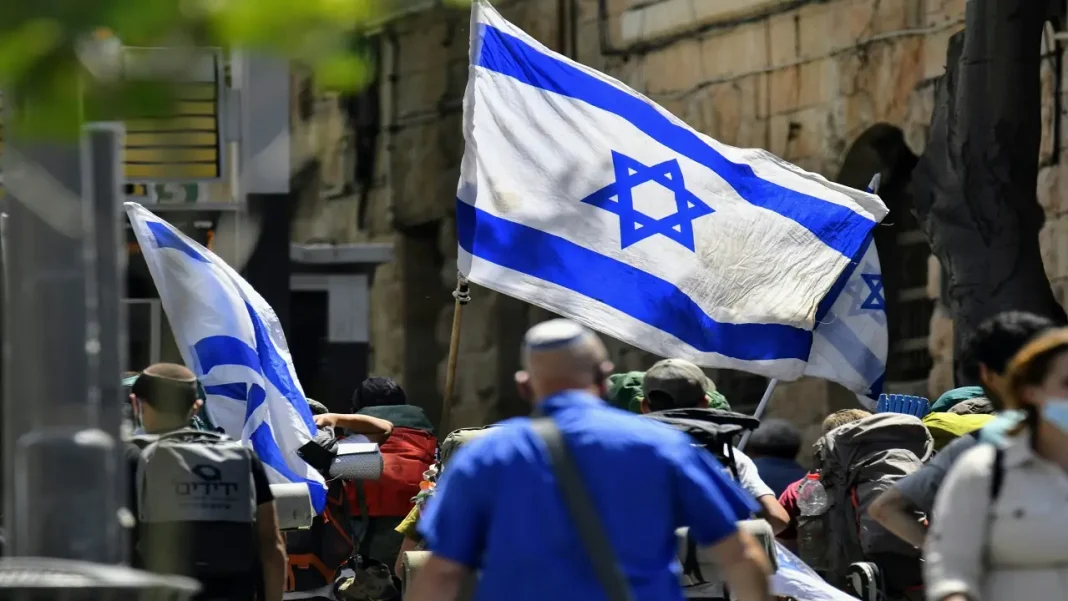

Israel’s 2026 elections are about more than who becomes prime minister. The October 27 vote has left the country divided and its next government uncertain. The result matters far beyond Israel: the country is at war with Iran, while its relations with key partners and neighbours face pressure.
A fractured verdict
Netanyahu’s right-wing government secured 53 seats in a total of 120 in the Knesset, the country’s parliament, short of the 61 it needs for a majority. Gadi Eisenkot’s opposition bloc won 48 seats. There were 19 Arab-led parties, the most ever. The attendance was 77.9 per cent. A bloc must be able to rule together.
Arab parties could be the kingmakers, but some opposition leaders have declined to do deals with them. Talks may result in a unity or minority government or if talks fail, there could be another election. The vote also had to do with the discussion of war, security and Netanyahu’s leadership.
The region: war, diplomacy and oil
The next government will find that it must deal with Iran and the war in Gaza, as well as its relations with the Arab states, in some way. If they take a tougher stance on Iran, it could be back to the military option, and if they change their leadership, perhaps more space for diplomacy. There is no peace on either side.
Iranian negotiators and Qatari mediators met for the third day in Doha on Nov. 1 to put an end to the US-Israeli war on Iran. There was no agreement. The talks centre on the crucial Strait of Hormuz, which is essential for world oil traffic. Further conflict has the potential to unsettle the Gulf, impact shipping and drive up energy prices.
The world: Washington is watching
Israel’s political turmoil has come at a time of uncertainty before the US midterm elections on November 3. President Donald Trump has been supportive of Netanyahu, and the Iran war has turned into a costly and politically sensitive affair in the United States.
US officials have urged allies to brace for potential new strikes following the vote, but Trump has yet to make a final decision. The next government in Israel may have an impact on Washington’s Iran and regional security policy.
India: ties beyond one leader
For India, the stakes are practical. Bilateral trade with Israel reached $3.93 billion in 2025–26, and the two countries held a second round of free-trade talks in July 2026. Cooperation includes defence, cybersecurity, artificial intelligence, agriculture and water technology. During Prime Minister Narendra Modi’s February visit, both sides called ties a “Special Strategic Partnership for Peace, Innovation and Prosperity”.
A change of government is unlikely to erase these interests, but a prolonged deadlock could slow agreements and projects. India must also watch how conflict affects oil prices, shipping and its interests in West Asia.
The election delivered no clear mandate. Israel’s next government will shape more than its own politics.
Explore More Global Headlines, Elections and Diplomatic Developments!
1. Why Are Iranian Missions Facing Scrutiny?
Uncover the growing scrutiny surrounding Iranian diplomatic missions across Europe.
2. Why Is India’s Election Report Delayed?
Find out what is delaying India’s One Nation, One Election report.
3. Which Indian States Vote in 2026?
Check out India’s 2026 election schedule, voting phases and state-wise dates.
4. What’s Changing for IndiGo Saudi Flights?
See the latest IndiGo flight updates for Saudi Arabia from November 30.
5. What’s Behind Colombia’s UAE Trade Agreement?
Explore the Colombia-UAE trade agreement offering 85% duty-free access.