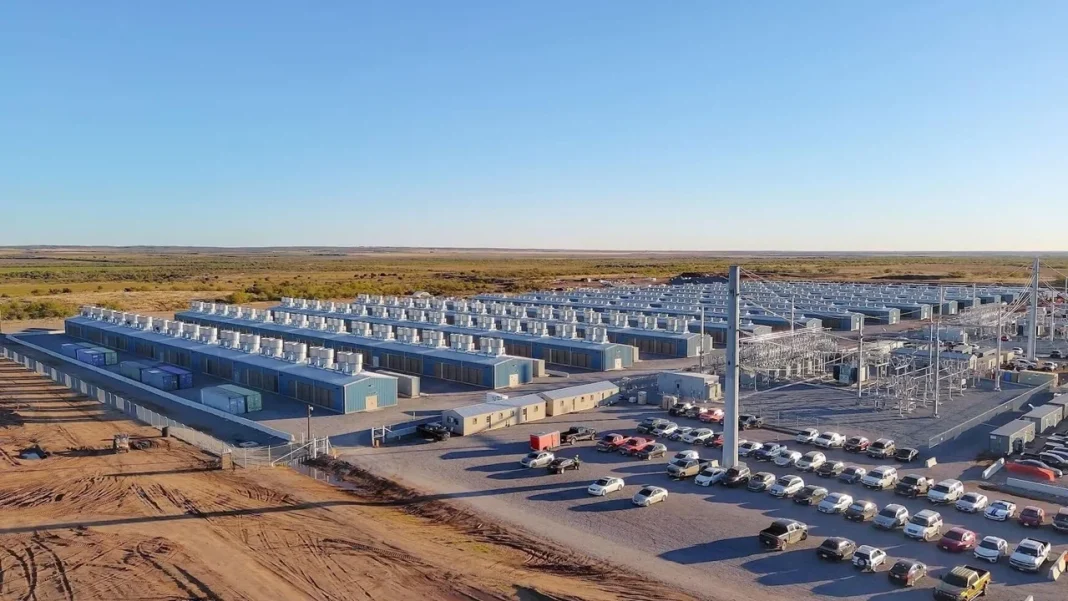

AI runs on physical machines. Every prompt, generated image or automated task sends work to chips inside data centres, where servers, cooling and power systems draw electricity. The IEA says global data-centre electricity use rose 17% in 2025, while consumption at AI-focused facilities climbed about 50%.
Key Highlights
- AI workloads rely heavily on power-dense GPUs and other accelerators.
- Servers take the largest share, but cooling, storage and power equipment add to demand.
- Data-centre electricity use could roughly double by 2030.
- India’s installed data-centre capacity reached about 1.57 GW by August 2026.
Why AI Workloads Pull So Much Power
Training a large model means running vast numbers of calculations across specialised processors, often for long periods. Inference also needs compute each time someone asks for text, creates an image or triggers an AI agent.
AI systems increasingly use GPUs and other accelerators packed densely into racks. The IEA estimates servers account for around 60% of electricity demand in a modern data centre on average, though the share differs by facility.
Individual AI tasks are getting more efficient. In April 2026, the IEA said energy use per task had fallen by at least an order of magnitude annually in recent years. Simple text queries can require less electricity than running a television for the same period. Yet total demand is still rising because usage is growing faster.
Where Data Centre Power Consumption Goes
A data centre needs more than processors. Electricity also keeps equipment cool, moves data through networks, and supports backup and power-conversion systems.
The main loads include:
- Compute: CPUs, GPUs and AI accelerators doing the processing.
- Cooling: air or liquid systems removing heat from dense racks.
- Power systems: UPS units, transformers and conversion equipment.
- Storage and networking: hardware moving and holding large volumes of data.
That is why new AI campuses can resemble industrial power projects. The IEA’s Energy and AI analysis notes that a conventional data centre may draw around 10–25 MW, while an AI-focused hyperscale facility can reach 100 MW or more.
Why Demand Keeps Rising Despite Better Chips
Efficiency does not decide total electricity use on its own. Workload growth does.
In 2025, global data-centre electricity demand increased by about 70 TWh. The IEA now expects total consumption to roughly double by 2030, while electricity use from AI-focused centres could triple.
Three forces are pushing the number higher:
- More users: major model providers reported rapid growth in AI use during 2025.
- Heavier tasks: video generation, reasoning and AI agents can use hundreds or thousands of times more energy per task than simple text generation.
- Larger sites: hyperscale projects increasingly require hundreds of megawatts, with some planned at gigawatt scale.
Data centres used about 1.5% of worldwide electricity in 2024. The harder issue can be local: one huge load may arrive faster than substations, transmission lines or generation can be added.
What This Means for India
Government figures show India’s installed data-centre capacity rising from 375 MW in 2020 to about 1,575 MW by August 2026. The Ministry of Power estimates electricity demand from data centres could reach 13.56 GW by 2031–32.
New AI facilities need reliable power around the clock, so transmission, storage and clean generation have to grow alongside server capacity.
Google’s Visakhapatnam AI hub shows the scale now being discussed. Construction began in April 2026 as part of a $15 billion India investment, with the project planned for gigawatt-scale compute. An official NDTV post on X from the India AI Impact Summit also highlighted the planned Vizag infrastructure.
For India, lower-power chips alone will not settle the issue. Efficient software, liquid cooling, cleaner electricity, storage and grid upgrades will decide how comfortably new AI demand can be absorbed.
FAQs
How much electricity do data centres use globally?
The IEA estimated about 415 TWh in 2024. Consumption rose sharply in 2025 and is expected to roughly double by 2030.
Does one AI prompt use a lot of electricity?
A simple text prompt may use relatively little. Total demand grows because usage is enormous and video, reasoning, and agentic tasks are heavier.
Why do AI servers need cooling?
High-performance chips produce substantial heat under heavy workloads. Cooling removes that heat so equipment can keep operating safely and reliably.
Will better AI chips cut electricity use?
They can reduce energy used per task. Total demand may still rise if AI adoption and compute-heavy workloads expand faster than efficiency improves.
Power & Energy: What’s Changing Around You?
How Do Reservoirs Support India’s Power?
Check out how falling water levels can affect cities, farms, and electricity.
What Could India’s New Power Policy Change?
Find out what the new electricity policy could mean after two decades.
Can India Keep Nepal’s Grid Stable?
Uncover how Indian electricity support could help stabilise Nepal’s power grid.
Does Setting AC To 24 Save?
Browse the truth behind AC temperature myths and potential bill savings.
Could Your Electricity Meter Be Overcharging?
Reveal how a simple main-switch test can help spot a fast meter.