

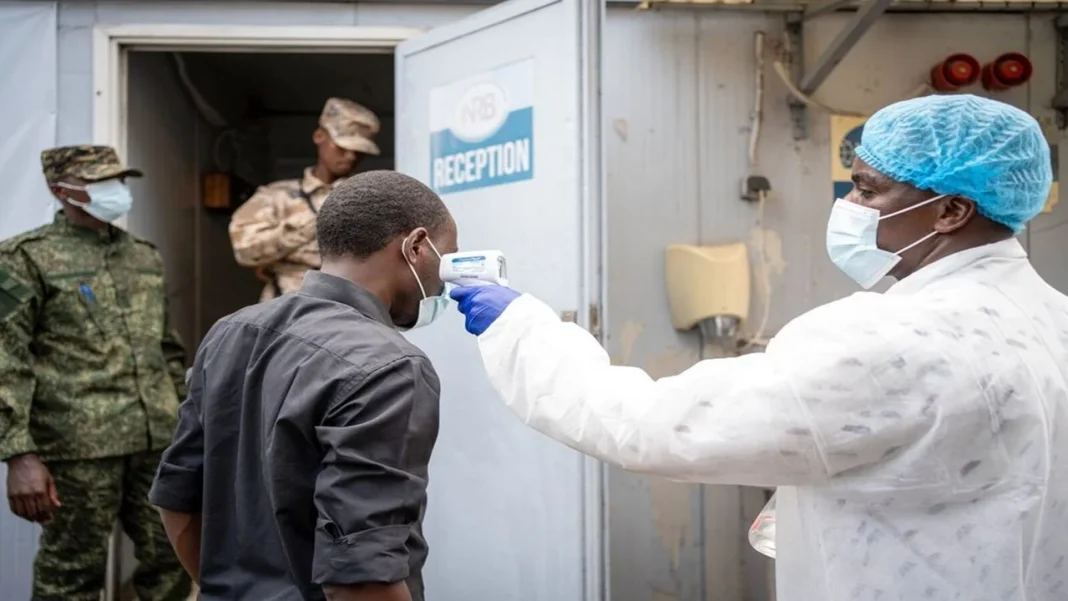

India has issued a fresh Ebola travel advisory asking citizens to avoid non-essential travel to the Democratic Republic of the Congo, Uganda, and South Sudan after the World Health Organization raised concern over the Ebola Bundibugyo outbreak in parts of Africa. The advisory comes at a time when airports, health desks, and international agencies are watching travel routes more closely to cut the risk of imported infections.
The alert has quickly moved beyond a routine health notice because Ebola is not a casual fever. It can spread through direct contact with blood, body fluids, unsafe burial practices, or contaminated materials. WHO has confirmed that the ongoing outbreak involves the Bundibugyo virus, a strain for which there is no licensed vaccine or specific approved treatment yet, although early supportive care can save lives.
Why India Issued The Ebola Travel Advisory?
India’s Ebola travel advisory is mainly precautionary. No Ebola case linked to this outbreak has been reported in India, but global travel can move people across continents within hours. That is why the advisory asks Indians to avoid avoidable visits to Congo, Uganda, and South Sudan until the outbreak is brought under tighter control.
WHO declared the Ebola Bundibugyo outbreak in DRC and Uganda a Public Health Emergency of International Concern on May 17, 2026. Its Emergency Committee later said the event does not meet the criteria for a pandemic emergency, but the risk remains serious in affected zones.
WHO’s post on the Ebola Bundibugyo situation report for DRC and Uganda is available on its verified X account. For readers tracking official updates, WHO’s latest outbreak page is the most reliable external source because it is updated with case data, risk ratings, and response notes.
The Three Countries Named In India’s Advisory
The Indian advisory names the Democratic Republic of the Congo, Uganda, and South Sudan. DRC and Uganda are linked directly to confirmed Ebola Bundibugyo activity, while South Sudan is being watched due to cross-border movement and regional risk. WHO Africa has also noted surveillance along corridors linking DRC, Uganda, and South Sudan.
- DRC is facing the biggest strain in this outbreak. WHO reported 746 suspected cases and 176 deaths among suspected cases in DRC as of May 21, 2026, along with confirmed cases across DRC and Uganda.
- Uganda has reported imported and locally traced cases linked to the outbreak. Reuters reported on May 23 that Uganda confirmed three new Ebola cases, taking the total there to five, with contacts placed under observation.
- South Sudan is not being described as a confirmed outbreak centre in the same way, but its inclusion shows how border movement, trade routes, and health-system pressure can widen concern during an Ebola emergency.
Why Bundibugyo Ebola Is Raising Concern
Bundibugyo Ebola is not new, but it is less common than some other Ebola strains. WHO says past Bundibugyo outbreaks have recorded case fatality rates between 30% and 50%. The extra concern now is that no licensed vaccine or targeted therapeutic is available for this strain, making fast isolation, contact tracing, safe care, and public cooperation more vital.
Airport Screening And Travel Rules Indians Should Know
Indian airports have started stepping up passenger checks for people arriving from or transiting through affected countries. Delhi airport issued an advisory asking passengers from Congo, Uganda, and South Sudan to report symptoms to health authorities for screening.
Travellers should watch for fever, weakness, muscle pain, headache, sore throat, vomiting, diarrhoea, rash, bleeding, or unexplained illness after travel. Anyone with recent exposure in affected areas should not hide symptoms to clear immigration quickly. That can put family members, co-passengers, airport staff, and doctors at risk.
The CDC has also issued a health advisory for clinicians, public health teams, and travellers on the Ebola outbreak in DRC and Uganda, while the United States has added enhanced travel screening and restrictions linked to affected countries.
This is also why health forms, thermal screening, and travel-history checks may become more common for certain arrivals. Travellers should keep passport stamps, flight routes, hotel details, and contact history ready if asked by health officials.
Explore the stories making headlines today.
Who Is Justice Rai Making Headlines?
Check out her journey and latest judicial milestone.
How Did Mohsina Kidwai Shape Politics?
Find her remarkable political journey and lasting impact.
Who Can Apply For Saheli Card?
Uncover eligibility and key details about the scheme.
Why Did Argentina Exit WHO Recently?
Look into the global impact of this major move.
Why Is India’s Malaria Burden High?
See key findings from the latest WHO review.
Latest Developments Around The Ebola Alert
The Ebola alert has already affected diplomacy and travel planning. India and the African Union postponed the India-Africa Forum Summit that was scheduled in New Delhi from May 28 to 31, 2026, after consultations over the public health situation.
The story is also trending globally because the response is not limited to India. The US has moved on travel restrictions connected to Congo, Uganda, and South Sudan, while international agencies are warning that conflict, mistrust, population movement, and burial customs can make containment harder.
For Indians, the safest step is simple: avoid non-essential travel to the three named countries, follow health ministry and airport advisories, and check WHO updates before making any Africa travel plan. People already in affected regions should avoid hospitals treating Ebola patients unless they need care, avoid funerals involving direct contact, wash hands often, and contact local health authorities quickly if symptoms appear.
India Ebola Travel Advisory updates should not be treated like social media panic. They are travel-risk alerts built around prevention. The goal is to stop one imported case from becoming a larger public health challenge.
FAQs
1. Why Did India Issue The Advisory?
India issued it after WHO flagged Ebola Bundibugyo spread in DRC and Uganda this week.
2. Which Countries Are Named?
The advisory names Democratic Republic of Congo, Uganda, and South Sudan for non-essential travel alerts.
3. Are There Ebola Cases In India?
No Indian case linked to this outbreak has been reported by officials so far today.
4. What Should Travellers Do Now?
Travellers should avoid risky trips, track symptoms, and follow airport screening instructions carefully every time.
5. Is There A Vaccine For This Strain?
WHO says no licensed vaccine or specific treatment exists yet for Bundibugyo Ebola.