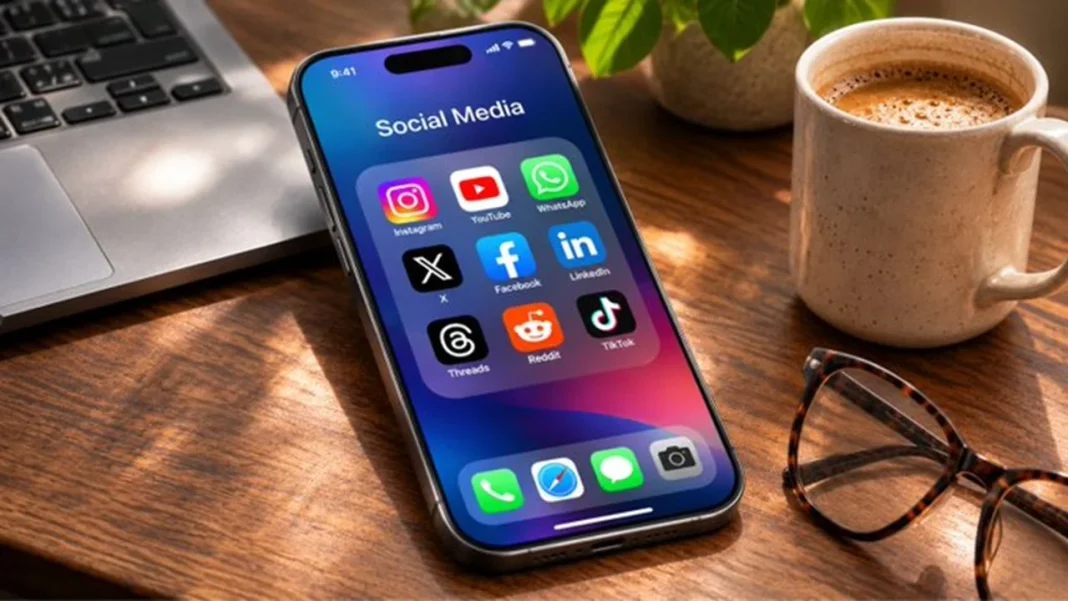

India’s IT Ministry is considering changes to social media legal immunity, including withdrawing protections for platforms that recommend and promote user content. Facebook, Instagram, YouTube and X could be affected, The Indian Express reported on November 5, 2026.
The discussions remain exploratory. No final decision has been reported, and the proposal should not be read as an enacted withdrawal of Section 79 protection.
The immediate question concerns responsibility for content: whether a platform that selects what people see should retain the same protection as a service that only carries messages.
Key Highlights
- The reported review targets social media platforms’ safe harbour.
- Algorithmic ranking and promotion are central to the discussions.
- Peer-to-peer messaging could receive different treatment.
- Existing content-removal obligations already apply.
What Is India Considering Changing?
Officials are examining whether platforms that influence a post’s reach should remain protected from liability for that content. Business Standard’s November 4 report describes preliminary discussions and says stakeholder consultations would be needed.
The distinction under consideration concerns what the service does:
- Content selection: Ranking or promoting posts could bring platforms within a narrower protection framework.
- Message delivery: Services that carry private messages without interfering with their content could remain protected.
That is a proposed distinction, not a settled legal classification. The eventual wording would determine how different services within a company are treated. A messaging product and a public recommendation feed need separate analysis.
What Does Section 79 Protect Today?
Section 79 of the Information Technology Act, 2000 provides conditional protection against liability for third-party information. It is not permission to ignore unlawful content.
The government’s July 22, 2026 explanation says intermediaries must observe due diligence and can lose their exemption when they fail to meet legal obligations.
Existing removal requirements also distinguish between different triggers:
| Trigger | Requirement Described by the Government |
| Court order or reasoned government intimation concerning unlawful content | Removal within three hours |
| Individual complaint involving specified intimate or artificially morphed imagery | Reasonable and practicable removal measures within two hours |
The second route does not require every affected person to obtain a court order first. Nor does the two-hour requirement apply to every disagreement over a post.
A narrower immunity provision would address platforms’ legal protection. Removal deadlines govern how particular complaints or orders are handled. They are related but separate questions.
What Could Change for Users and Platforms?
The practical effects remain uncertain because the final scope has not been decided. One possible response to greater liability would be more cautious moderation. That is an implication of the proposal, not an announced platform policy.
Removing an exemption would not, by itself, prove that every disputed post creates liability. The applicable law and facts would still need examination.
Business Standard also reports discussions about stronger direct requests for removing deepfakes and non-consensual images. The detail to watch is how any new mechanism would improve the complaint routes already available.
For someone whose identity is misused, the useful comparison is concrete: who receives the complaint, what evidence is requested, and how an unresolved request is escalated.
What Happens Next in the Safe Harbour Review?
The Indian Express reports that a broad withdrawal would likely require amendments to the IT Act and parliamentary approval. Its report said the ministry, Meta and Google had not responded before publication.
Watch for:
- A published proposal: Its definitions would show which services and activities are covered.
- Implementation details: Any adopted change would need its scope and commencement date checked.
Until then, a reported policy discussion should not be presented as a new compliance deadline. Follow India Focus Daily for developments on the proposal and its implications for users.
FAQs
Would WhatsApp and other messaging services be affected?
Reports suggest peer-to-peer messaging without interference in message content could retain protection. The position of individual services would depend on the wording of any eventual legislation.
Would removing immunity automatically make platforms guilty?
Loss of an exemption would not establish every allegation against a platform. Liability would still require examination under the relevant law and the facts of each case.
Can users already report intimate or morphed images directly?
Yes. Government guidance describes an individual complaint route for specified intimate and artificially morphed imagery, with reasonable and practicable removal measures required within two hours of receipt.
Is there a date for the proposed changes?
The reports do not identify a confirmed implementation date. Stakeholder consultation and any necessary legislative changes would come before a broad withdrawal could take legal effect.
Explore more stories on social media rules, privacy and digital safety.
Could Meta Face Consequences Over Addiction?
Find out about the Facebook and Instagram youth addiction case and its potential impact.
Are Instagram AI Images Truly Private?
Uncover Instagram AI image privacy concerns and ways to protect your photos.
Will Social Media Require Age Checks?
Check out social media age controls for under-18s and proposed restrictions.
Are Government Officers Facing Reel Restrictions?
See the social media rules for government officers and what they could change.
Could Goa Restrict Under-16 Social Media?
Explore the Goa social media ban debate and its implications for teenagers.