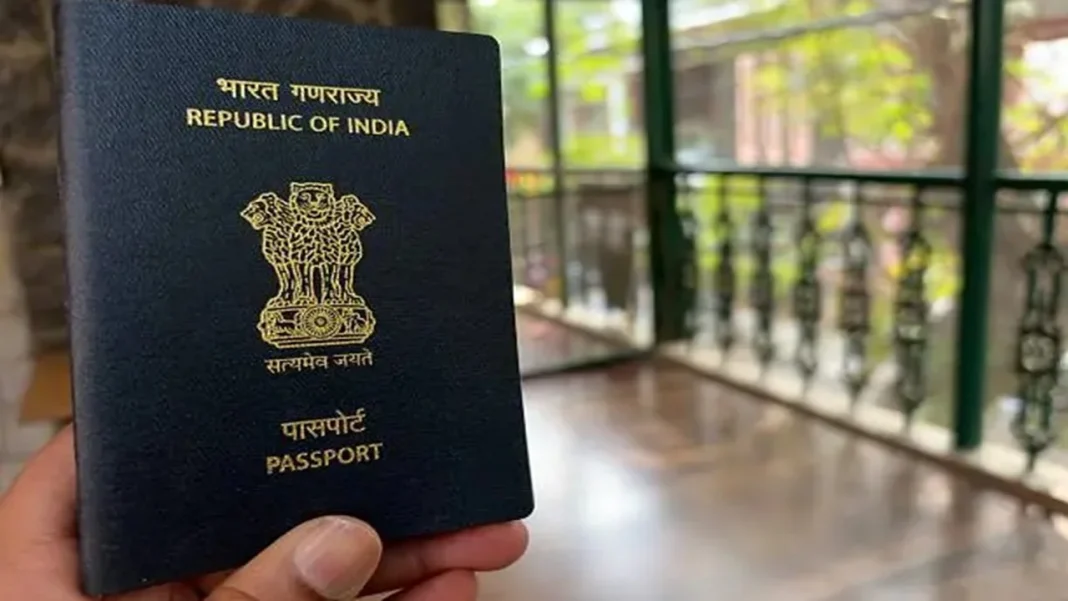


India’s latest passport debate began after Ministry of External Affairs officials said an Indian passport is primarily a travel document and not a conclusive citizenship document. The June 24, 2026 statement surprised many people because passports are issued after identity checks, document scrutiny and police verification.
However, the legal answer is not as simple as naming four cards. The government has never declared Aadhaar, PAN, voter ID, passport or a birth certificate as one universally final valid proof of Indian citizenship. Citizenship is determined under the Citizenship Act, 1955, depending on whether it was acquired by birth, descent, registration, naturalisation or incorporation of territory.
Four major records can support a citizenship claim. Their value depends on the applicant’s birth date, birthplace, parents’ status and route to citizenship.
Why Did The MEA Passport Statement Trigger A Row?
The statement came during Passport Seva Divas, when officials were discussing e-passports, faster services and international travel facilities. According to The Indian Express, the MEA said a passport facilitates travel and does not independently settle every citizenship dispute.
The timing quickly pushed the subject into political and social-media conversations. Citizens asked why a passport cannot be final proof when the Passports Act allows authorities to refuse one where the applicant is not an Indian citizen.
The two positions are not completely contradictory. A passport remains strong government-issued evidence that authorities accepted the holder as an Indian national when it was issued. Yet courts or citizenship authorities may seek supporting records where nationality itself is disputed, documents conflict or fraud is alleged.
External Affairs Minister S. Jaishankar also marked Passport Seva Divas through his official X account, highlighting improvements in India’s passport infrastructure. Readers should rely on official MEA, MHA and Passport Seva portals rather than viral posts claiming that one card automatically settles citizenship.
Which Four Records Can Support Indian Citizenship?
The following records are among the strongest documents linked to the four common citizenship routes. They are not a single government-approved four-document checklist for every Indian.
- Birth Certificate And Parents’ Citizenship Records: A registered birth certificate establishes a person’s date and place of birth. For many people born in India, citizenship also depends on their birth date and whether one or both parents were Indian citizens. Parents’ passports, birth records or citizenship certificates may therefore be requested alongside the applicant’s certificate.
- Consular Birth Registration Record: A person born outside India may claim citizenship by descent when the legal conditions are met. The child’s birth may need registration at an Indian consulate, particularly for births covered by later amendments to the Citizenship Act. The consular registration record, foreign birth certificate and Indian parent’s citizenship documents become central evidence.
- Certificate Of Registration: People who acquire Indian citizenship through registration receive a citizenship certificate under Section 5 of the Act. This category may cover eligible persons of Indian origin, spouses of Indian citizens, minor children and other specified applicants. Applications and certificates are handled through the government’s Indian Citizenship Online portal.
- Certificate Of Naturalisation: A foreign national granted citizenship under Section 6 receives a certificate of naturalisation. Unlike routine identity cards, this certificate directly records that Indian citizenship was granted after the statutory conditions and government approval process were completed.
Why These Records Do Not Apply Equally To Everyone
Most Indians born as citizens are not issued a separate citizenship certificate. A person born in India in 1960, another born in 1995 and another born in 2006 can face different legal tests because Parliament changed the birth-citizenship conditions over time.
That is why a birth certificate alone may establish birthplace without answering every citizenship question. Authorities may also examine parental nationality, migration records and the law applicable on the person’s birth date.
Are Aadhaar, PAN, Voter ID And Passport Citizenship Proof?
Several familiar documents remain useful, but each performs a different job.
Aadhaar establishes identity and residence-related information. The Aadhaar Act expressly states that an Aadhaar number is not proof of citizenship or domicile. PAN is a tax identifier and can also be issued in situations that do not require Indian citizenship.
A voter ID shows that a person is enrolled on an electoral roll. Since only Indian citizens can register as voters, it carries evidentiary value. However, election authorities can investigate whether an entry was legally made, so the card may not end a disputed citizenship case.
A passport is issued to Indian citizens and remains powerful supporting evidence. Still, the MEA’s 2026 clarification says its principal legal function is international travel. A court or competent authority may examine the underlying documents where citizenship is directly challenged.
In a February 2020 Rajya Sabha reply, the Home Ministry was specifically asked whether Aadhaar, passport, voter ID, PAN and birth certificates proved citizenship. It did not declare any of them universally conclusive. It referred instead to the Citizenship Act and the route through which citizenship was acquired.
Trending Now: Stories Everyone Is Talking About
Want a powerful SUV upgrade?
Explore Skoda Kodiaq RS bookings, features, power details, and expected pricing updates before buying.
Visiting Ayodhya soon? Know these tips
Discover Ayodhya Ram Mandir rituals, locker rules, VIP entry details, and important visitor guidelines.
Looking for quick monsoon escapes?
Check the best weekend getaways from Delhi NCR and Mumbai for a refreshing rainy season trip.
Need free rewards in Free Fire?
Explore the latest Free Fire MAX redeem codes for gun skins, emotes, and exciting rewards.
Is Telegram access back today?
Discover the latest Telegram India status, court updates, and possible app restoration timeline.
What Should Citizens Keep Ready After The Passport Row?
There is no announcement requiring every Indian to immediately submit fresh citizenship documents. The MEA statement has not cancelled passports, stopped their use or introduced a new nationwide citizenship-verification exercise.
People can still reduce future document trouble by keeping important family records organised:
- Obtain a digitally verifiable birth certificate and correct spelling or date errors early.
- Preserve parents’ birth certificates, passports and citizenship records where available.
- Keep school, land, electoral and residence records that establish family history.
- Register births abroad with the relevant Indian mission within the applicable legal process.
- Safely store registration or naturalisation certificates because replacements may require formal procedures.
Citizens should not pay agents promising a new “citizenship card” based on the passport controversy. Any genuine change would appear through the Ministry of Home Affairs, the Ministry of External Affairs or an official Gazette notification.
The final position is that no universal set of four cards automatically becomes valid proof of Indian citizenship in every case. Birth records, consular registration, registration certificates and naturalisation certificates are four major evidence categories, but the applicable law and supporting family documents decide the outcome.
FAQs
1. Is An Indian Passport Proof Of Citizenship?
A passport strongly supports nationality, but the MEA says it is primarily an international travel document.
2. Is Aadhaar Valid Proof Of Indian Citizenship?
No, Aadhaar verifies identity and residency information but does not independently certify Indian citizenship status.
3. Does A Birth Certificate Prove Indian Citizenship?
It proves birth details, while citizenship may also depend on parents and applicable birth-date rules.
4. Who Receives A Citizenship Registration Certificate?
Eligible applicants granted citizenship through registration receive an official certificate under the Citizenship Act’s provisions.
5. Is There One Citizenship Document For Every Indian?
No, India does not automatically issue one universal citizenship certificate to every citizen at birth.