

Nepal’s catastrophic flash floods have entered a grim new phase, with the death toll in Nepal rising to at least 626 by August 29, 2026. Nearly 3,000 people were still missing after an ice-and-rock collapse sent water, mud and debris through the Bhote Koshi and Trishuli river systems. For India, the worry is sharp. The Ministry of External Affairs said 320 Indian nationals remained missing or uncontactable, while more than 100 people of Indian origin were also out of contact.
Many of those caught in the disaster were tourists and Kailash Mansarovar pilgrims moving through the Nepal-Tibet border region. Families in India are piecing together information from government helplines, tour operators, survivor lists, WhatsApp messages and last phone calls.
Key Highlights
- Nepal’s death toll reached at least 626 by August 29.
- India said 320 Indian nationals remained missing or uncontactable.
- More than 100 people of Indian origin were also out of contact.
- Indian missions in Kathmandu and Beijing are operating 24/7 helplines.
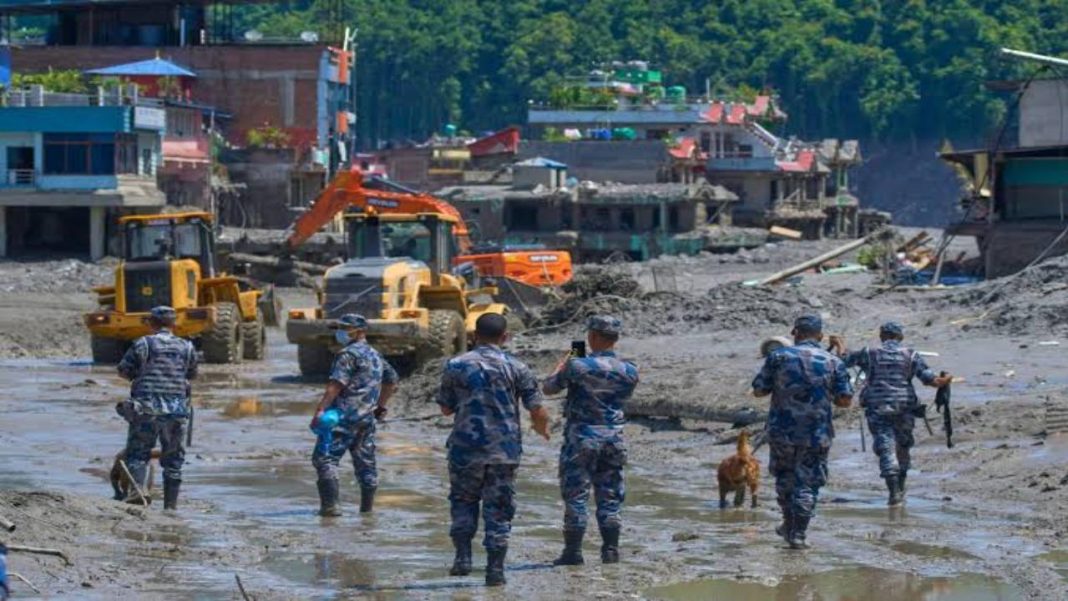
- Rescue teams are searching flood-hit valleys, tunnels and isolated settlements.
What Happened In The Nepal Floods?
The disaster struck on August 26 after a glacier collapse and ice-and-rock avalanche triggered a huge surge near the Nepal-Tibet border. Floodwater and debris rushed into the Bhote Koshi system, smashing roads, bridges, homes and hydropower infrastructure before moving downstream.
The latest Reuters report reported at least 626 deaths in Nepal, while thousands remained unaccounted for. Nepal has asked for international technical assistance as rescuers face damaged communications, unstable slopes and threats from additional glacial lakes.
An August 27 Nepal Ministry of Foreign Affairs update listed 596 foreign nationals missing, including 167 Indians at that stage. India later reported 320 Indian nationals missing or uncontactable. The totals remain fluid because separate lists from tour groups, state governments, local authorities and border crossings are still being matched.
How Are Indian Families Tracking Missing Travellers?
For relatives in India, tracking a missing traveller often starts with three details: the tour operator, last known location and last successful phone or WhatsApp contact. Families are comparing these with rescue lists and information coming from Kathmandu.
The Embassy of India in Kathmandu has published emergency numbers +977 985 131 6807, +977 970 910 7500 and +977 981 032 6117, all available through WhatsApp. Nepal’s Foreign Ministry has also opened an Emergency Control Room for foreign nationals with dedicated hotline and email support.
The Embassy’s official X post carrying the emergency helplines has become a useful verified update for families trying to avoid rumours and recycled videos.
Why Tour-Operator Lists Have Become Crucial
Many missing Indians were travelling in organised pilgrimage or tourism groups. Passenger manifests, hotel check-ins, bus assignments and border-entry records can therefore help narrow down who reached a location before the flood.
Families have also posted photographs, names and last-seen locations online. Some relatives told reporters they were calling fellow travellers, tour offices and officials repeatedly because mobile networks had failed across affected areas.
What Is India Doing For Stranded Indians?
The MEA says its Situation Room is working round the clock. Indian embassies in Kathmandu and Beijing have also activated 24/7 assistance while officials coordinate with Nepalese authorities, tour leaders, travel agencies and state governments.
There have been encouraging updates. Twenty-one pilgrims from Tamil Nadu were rescued and returned to Delhi. Another 63 Indians working at the Trishuli-1 hydropower project were rescued. Around 400 Indian nationals on the Chinese side were also reported safe and in touch with their families.
India has sent more than 47 tonnes of emergency relief supplies. A third assistance flight carried an 11-member team of doctors, paramedics and specialists for tunnel rescue work.
Why Are The Missing Numbers Changing So Quickly?
The missing count is moving because there is no single passenger list. People were spread across pilgrimage routes, hotels, buses, work sites, border posts and remote valleys. Some may be safe but unable to call. Others may appear on more than one list.
That is why families should rely on government confirmation rather than viral posts. Nepal’s Foreign Ministry has asked people not to circulate unverified information. Families contacting official helplines should keep passport details, travel-agency information and last-known hotel or location details ready.
The disaster has also produced widely shared stories, including the survival of a family seen trapped in a green house and footage of a border police officer helping people escape at Gyirong Port. Yet for hundreds of Indian households, the main story is still unfinished: waiting for one verified call that says their relative has been found.
FAQs
How many Indians are missing after the Nepal floods?
India says 320 Indian nationals remain missing or uncontactable as rescue operations continue across Nepal.
Which helpline should Indian families contact?
Families can contact India’s Kathmandu embassy helplines, including WhatsApp numbers, for verified assistance and updates.
Were Kailash Mansarovar pilgrims affected by the floods?
Yes, missing and rescued Indians were travelling on routes connected with Kailash Mansarovar pilgrimage groups.
Are Indians stranded on the Chinese side safe?
India said 400 nationals on the Chinese side were safe and contacting their families regularly.
Why do official missing-person figures keep changing?
Authorities are reconciling overlapping tour, border, rescue and state lists while communications remain badly disrupted.
Families Search For Their Loved Ones and More about the news
UP Announces Free Bus Travel For Elderly Women: Who Will Qualify And When Could The Scheme Begin?