

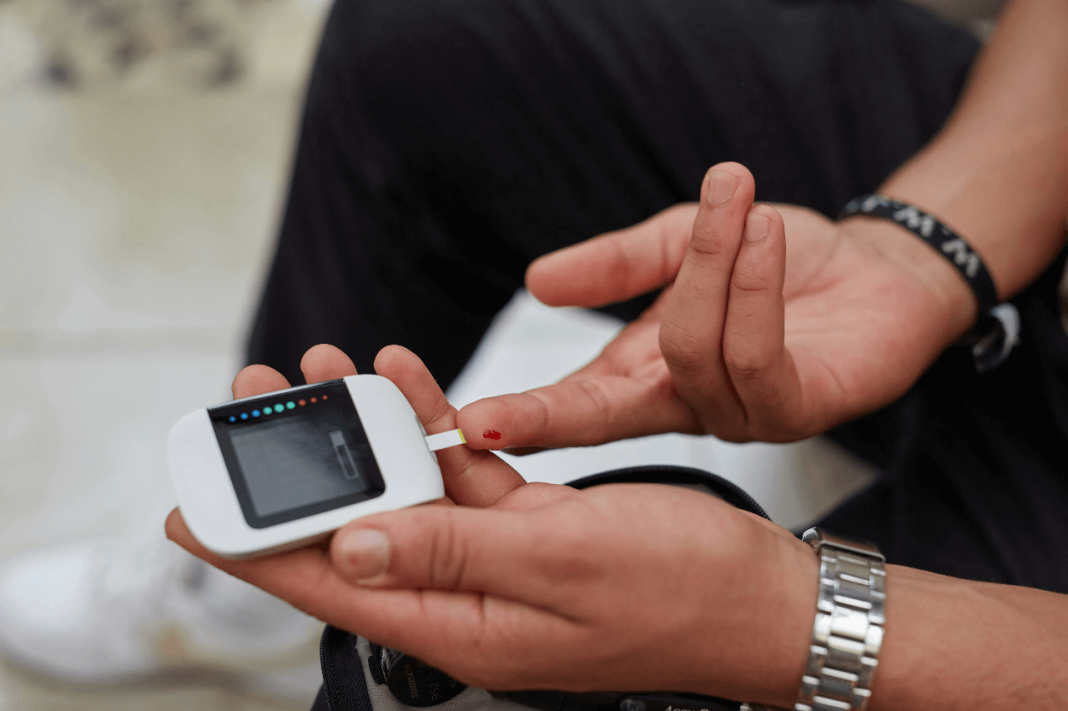

Dengue is often treated as a seasonal fever, but people living with Type 2 diabetes may face a far rougher course. A recent review by Indian diabetes specialists has warned that persistent high blood sugar can weaken immune responses, injure blood vessels and raise vulnerability to dengue haemorrhagic fever, shock and organ complications. The paper is awaiting journal publication, so its conclusions should be read alongside established clinical evidence rather than as a final verdict. Still, the warning arrives amid fresh monsoon increases: Mumbai recorded 466 dengue cases in July 2026, up from 266 in June.
Why Type 2 Diabetes Can Make Dengue More Severe
The link is not based on one report alone. A 2024 PLOS Neglected Tropical Diseases meta-analysis examined 27 studies covering 342,873 laboratory-confirmed patients. Diabetes was associated with 3.39 times higher odds of severe dengue and 1.95 times higher odds of dengue-related death. The authors also noted differences between studies, including retrospective designs and varied diagnostic criteria, so the figures describe association, not certainty for every patient.
Type 2 diabetes can alter infection response in several ways. High glucose may reduce the efficiency of immune cells, while long-term inflammation and blood-vessel damage can leave the body less able to handle dengue-related plasma leakage. Fever, vomiting and reduced food intake can also push glucose sharply upward or downward. Dehydration may strain the kidneys, while insulin or some glucose-lowering medicines may need review during illness. Patients should not stop prescribed treatment without medical advice.
The risk may be greater when diabetes is poorly controlled or occurs with obesity, kidney disease, hypertension or heart disease. A previous dengue infection can add another layer because a later infection with a different dengue serotype is more likely to become severe, according to the World Health Organization’s dengue guidance.
Who Needs Greater Protection During The Monsoon?
Every person with diabetes should avoid mosquito bites, but some groups need earlier clinical assessment. These include adults with high HbA1c levels, frequent glucose swings, kidney impairment, heart disease, obesity, advanced age or a previous dengue infection. People using insulin, sulfonylureas or multiple medicines also need a clear sick-day plan because poor eating and vomiting can trigger hypoglycaemia.
Family members should not wait for platelet counts to collapse before seeking care. A person with Type 2 diabetes who develops sudden fever, headache, pain behind the eyes, body aches, nausea or rash during dengue season should contact a doctor promptly. Early testing may distinguish dengue from malaria, chikungunya, influenza, typhoid or other monsoon infections.
India’s Health Ministry reviewed national dengue and malaria readiness on June 18, 2026, asking states to strengthen surveillance, diagnosis, hospital preparedness and public campaigns. Its official monsoon preparedness update on X reinforces the need for prevention before cases climb further.
Severe Dengue Warning Signs That Need Urgent Care
Danger can appear as the fever begins to settle, not only when temperature is highest. Anyone with diabetes and suspected dengue should seek urgent assessment for:
- Severe or persistent abdominal pain
- Repeated vomiting or inability to drink
- Bleeding gums, nose, vomit or black stools
- Rapid breathing, chest discomfort or unusual breathlessness
- Extreme weakness, drowsiness, confusion or restlessness
- Very low urine output, cold skin, dizziness or fainting
These signs may indicate plasma leakage, bleeding, shock or organ involvement. Home remedies cannot correct those complications. The WHO advises immediate care for severe symptoms and warns that no specific antiviral treatment currently cures dengue.
For fever or pain, patients should ask a clinician about paracetamol. Aspirin and medicines such as ibuprofen can increase bleeding risk and should be avoided unless a doctor specifically directs otherwise. Fluids also need care: too little may worsen dehydration, while excessive intake can be risky for people with kidney or heart disease.
Monsoon Protection Steps And Common Questions
Empty and scrub coolers, buckets, trays, and plant containers weekly. Keep stored water tightly covered, use screens and repellents, and wear clothing that covers arms and legs. Aedes mosquitoes commonly bite during daylight, so protection should continue beyond bedtime. Check glucose more frequently during fever, record readings, maintain fluids as advised and keep the treating doctor informed about medicines and food intake.
Can controlled Type 2 diabetes still increase severe dengue risk?
Yes, but good glucose control and early medical assessment may reduce avoidable complications during infection.
Should diabetes medicines continue during suspected dengue?
Continue only as medically advised, since vomiting, dehydration and poor eating may require temporary changes.
Is a falling platelet count the only danger sign?
No, bleeding, abdominal pain, vomiting, breathing difficulty and reduced urine can signal serious deterioration early.
When should a person with diabetes test for dengue?
Seek medical advice promptly after sudden fever, especially during outbreaks or following recent mosquito exposure.
Can mosquito nets alone prevent dengue during monsoon?
No, daytime repellent, covered clothing and weekly removal of stagnant water remain equally important measures.