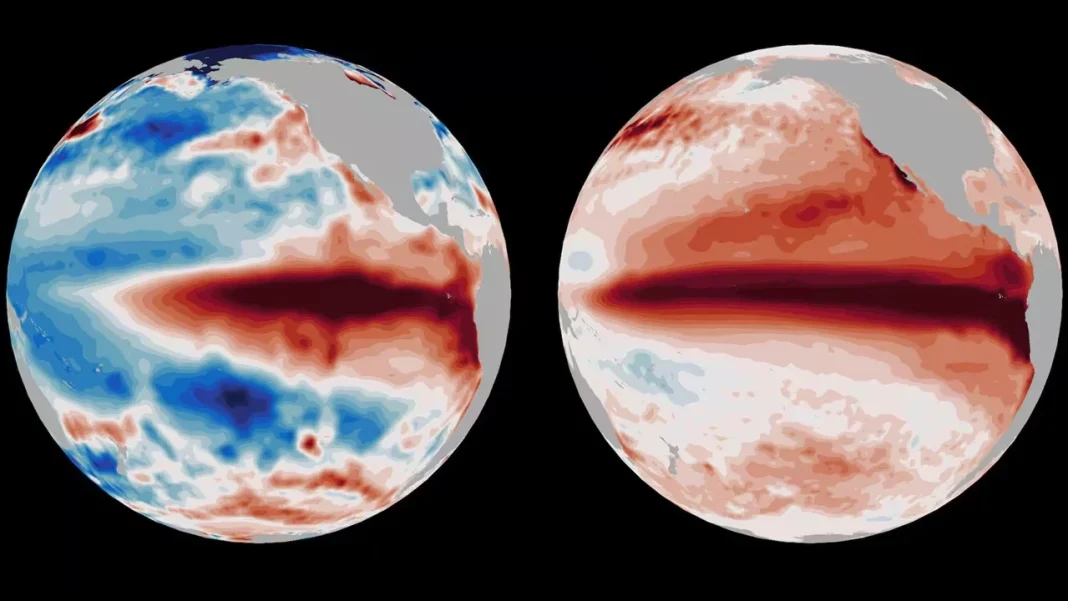

India’s 2026 monsoon is not walking in under a clear sky. The India Meteorological Department has forecast the June-September season at 92% of the long-period average, which puts it in the “below normal” band. At the same time, IMD says El Niño conditions are likely to develop during the southwest monsoon season, while the World Meteorological Organization says El Niño is expected to emerge from mid-2026. So the fear is valid. But “Super El Niño equals monsoon collapse” is still too dramatic for where the data stands today.
Why The 2026 Monsoon Story Looks Nervy
The first reason is simple: this is India’s first below-normal all-India monsoon forecast in 3 years. Reuters reported that IMD’s 92% projection is the lowest in nearly 3 decades, and that the latter half of the season could feel more pressure if El Niño strengthens after June. That is why this year’s weather talk is not just about rain totals. It is also about timing, regional spread, reservoir recharge, sowing windows, and food prices.
There is one twist, though. IMD has also said the monsoon is likely to reach Kerala around May 26, about 6 days earlier than usual. An early onset does not guarantee a strong season, but it does mean India is not beginning from a delayed start. That keeps the door open for a decent first phase, even if the second half turns patchy.
What Could Save India Again
India’s monsoon does not respond to only one trigger. IMD has flagged the chance of a positive Indian Ocean Dipole later in the season, and that can sometimes soften El Niño damage. Its April forecast also showed some areas in the northeast, northwest, and south peninsula leaning normal to above normal, even when the all-India picture stayed below normal. In plain terms, a weak national average does not mean every state gets hit the same way.
That is the part many viral headlines skip. A scary Pacific setup can still produce a mixed India outcome, especially if ocean conditions near India turn supportive at the right time. So yes, risk is high. Certainty is not.
The Bigger 2026 Trend Story
This weather risk is already shaping business decisions. Reuters reported that India is launching its first exchange-traded weather derivatives contract tied to Mumbai rainfall, a sign that monsoon volatility is now being priced as an economic risk, not just discussed as a farm story. Ratings agencies are also warning that a weaker monsoon could add to inflation pressure and trim growth.
Stay updated with trending escapes and seasonal must-knows!
Could Monsoon Travel Surprise You?
Explore India’s top rainy-season destinations.
Need A Cool AC Bargain?
Check out budget-friendly 5-star AC deals.
Why Is Vagamon Worth Visiting?
Uncover top spots and travel essentials.
Planning Your Next Varkala Escape?
Dive into scenic places and ideal timings.
When Is Vizag Truly Best?
Look into top seasons and attractions.
Verdict: Crush Or Spare?
Right now, the clean answer is neither. The 2026 monsoon looks vulnerable, not doomed. India has a below-normal forecast, El Niño risk is rising, and the second half of the rainy season may turn harder to trust. But an early Kerala onset, regional variation, and the possible support from a positive Indian Ocean Dipole mean the season can still avoid an outright washout.
So the smarter headline is this: Super El Niño may bruise India’s 2026 monsoon, but the country is not yet staring at an automatic disaster. The next IMD update, due in late May, will tell us whether this threat is sharpening or easing.
FAQs
1. Will Super El Niño definitely ruin India’s monsoon in 2026?
Not yet. Current forecasts show below-normal rain risk, but not a confirmed nationwide monsoon failure.
2. Does early monsoon onset mean India is safe?
No. Early Kerala onset can help planting, but it does not guarantee strong season-long rainfall.
3. Why does El Niño worry India so much?
El Niño often weakens Indian rainfall, especially later, by disturbing ocean-atmosphere patterns linked to the monsoon.
4. Can a weak monsoon affect food prices?
Yes, because weaker rains can hit crops, lift food prices, and pressure growth and inflation.
5. Which sources should readers trust for updates?
IMD, WMO, and Reuters remain the safest places for fresh, evidence-based monsoon updates this season.