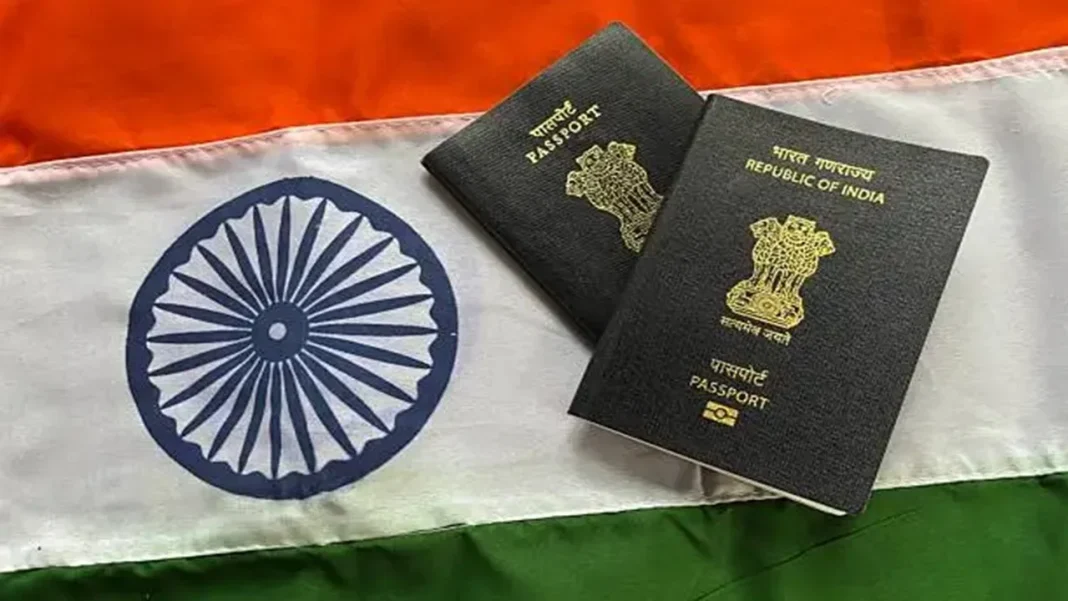

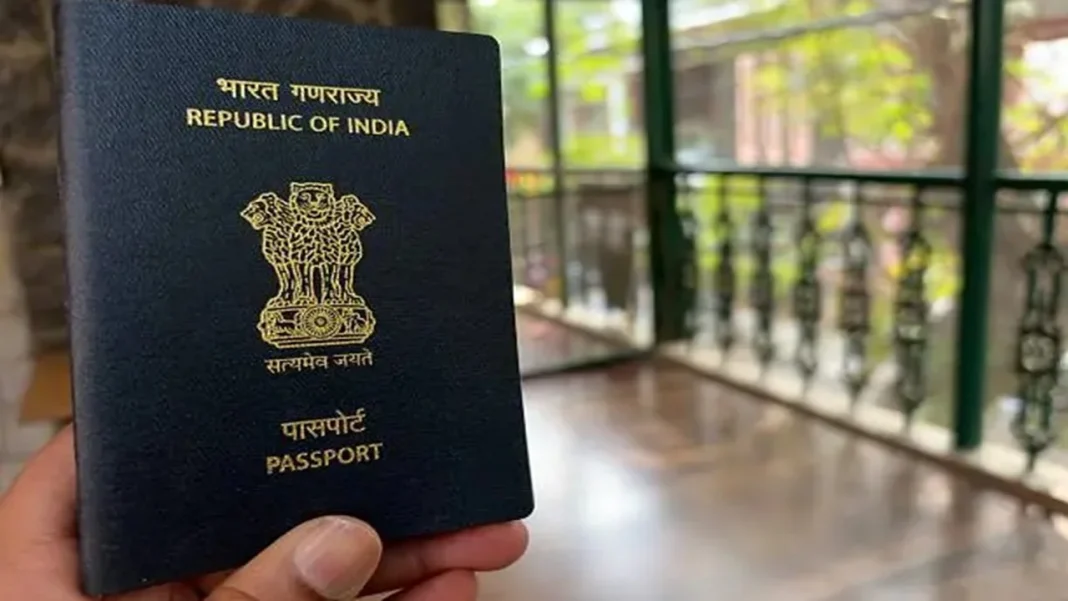

An Indian passport remains valid for boarding international flights, clearing immigration and seeking consular support overseas. However, the Ministry of External Affairs has clarified that the document should not be treated as conclusive proof of Indian citizenship in every legal or administrative dispute.
The statement was made on June 24, 2026, during the 14th Passport Seva Divas. It quickly triggered political reactions and widespread confusion online. The Centre later maintained that this was not a new policy. It cited the Passports Act, 1967, and an earlier Bombay High Court ruling to explain why a passport may support a citizenship claim without automatically settling it.
For Indian travellers, the immediate message is simple. Passports have not stopped working, and no new airport documentation rule has been announced. The clarification concerns the legal difference between a travel document and conclusive evidence when citizenship itself is questioned.
Why Did The Government Say A Passport Is Not Citizenship Proof?
A senior MEA official described a passport as primarily a travel document. The government’s follow-up explanation referred to Section 20 of the Passports Act, 1967.
The provision permits the Central Government, in limited public-interest circumstances, to issue a passport or travel document to someone who is not an Indian citizen. Since such an exception exists in law, possession of a passport cannot always be considered final and indisputable citizenship proof.
Indian citizenship instead flows from the Constitution and the Citizenship Act, 1955. The law covers citizenship acquired by birth, descent, registration, naturalisation or incorporation of territory.
The clarification attracted attention because it came while the government was highlighting the expansion and digitisation of passport services. Political leaders and public figures asked which document citizens should produce if familiar identity papers are not individually decisive.
The Centre responded that the MEA had only repeated a settled legal position. A 2013 Bombay High Court case had also held that a passport, Aadhaar card or birth certificate might not alone establish citizenship where statutory conditions involving birthplace or parents remained unproven.
Does The Clarification Change International Travel Rules?
No immediate change has been announced for Indians travelling abroad. Airlines, foreign immigration officials and Indian border authorities will continue checking whether a passenger’s passport is valid, undamaged and supported by the required visa, entry permit or electronic travel authorisation.
The phrase Passport Not Proof Of Citizenship does not mean an Indian passport has become invalid. It means the document may not independently settle a disputed citizenship case before a court, election authority or government department.
During routine international travel, the passport remains the main document used to identify the holder and record the issuing country. Travellers should continue following these checks:
- Maintain the passport validity required by the destination country.
- Confirm visa, transit and arrival-card requirements before departure.
- Match the passenger’s ticket name with the passport exactly.
- Keep digital and printed copies of passports and valid visas.
- Contact the nearest Indian mission during an overseas emergency.
- Apply only through the official Passport Seva portal.
There is no fresh instruction asking every tourist to carry birth certificates, parents’ documents or citizenship certificates to airports. Such records may become relevant only when another authority is separately examining nationality, parentage, birthplace or eligibility under citizenship law.
Travellers requiring emergency consular assistance can also use the official MADAD portal.
Which Documents Can Help Establish Indian Citizenship?
India does not issue one standard citizenship certificate to every person who becomes a citizen by birth. The evidence required can depend on when, where and how citizenship was acquired.
For citizenship by birth, authorities may examine birth certificates, parents’ nationality records, school documents, electoral rolls, residence papers, government service records and passports. No single supporting document necessarily resolves every case.
The date of birth is especially important. People born in India between January 26, 1950, and June 30, 1987, fall under different conditions from those born between July 1, 1987, and December 2, 2004.
For births on or after December 3, 2004, the citizenship status of both parents can become relevant. The law generally requires both parents to be Indian citizens, or one parent to be an Indian citizen while the other was not an illegal migrant when the child was born.
Why Aadhaar And Voter ID May Not Settle Citizenship
Aadhaar mainly verifies identity and residency for accessing services. A voter ID confirms electoral registration. PAN cards and driving licences are issued for taxation and driving-related purposes.
These records may support a larger documentary file, but they do not independently confirm that every condition under the Citizenship Act was satisfied.
People who acquired citizenship through registration or naturalisation may possess a government citizenship certificate, which offers more direct evidence.
An OCI card is different. OCI cardholders are foreign citizens who receive specified privileges in India. They are not Indian citizens, and India does not provide full dual citizenship through the OCI scheme.
Trending Now: Stories Everyone Is Talking About
Want a powerful SUV upgrade?
Explore Skoda Kodiaq RS bookings, features, power details, and expected pricing updates before buying.
Visiting Ayodhya soon? Know these tips
Discover Ayodhya Ram Mandir rituals, locker rules, VIP entry details, and important visitor guidelines.
Looking for quick monsoon escapes?
Check the best weekend getaways from Delhi NCR and Mumbai for a refreshing rainy season trip.
Need free rewards in Free Fire?
Explore the latest Free Fire MAX redeem codes for gun skins, emotes, and exciting rewards.
Is Telegram access back today?
Discover the latest Telegram India status, court updates, and possible app restoration timeline.
What Should Indian Passport Holders Do Now?
Most travellers do not need to take any special action following the clarification. They should renew passports before expiry, preserve old passports containing visa history and correct major differences across official documents.
Families should safely retain birth certificates and parents’ citizenship records, particularly for children born after July 1, 1987, or outside India. Indians living overseas should preserve consular birth registrations, citizenship certificates and previous passports.
For verified updates, readers should follow the MEA’s official X account, the Passport Seva official X account and the MEA website instead of relying on forwarded social-media claims.
The clarification has started a larger debate about citizenship records, but it has not cancelled passports, altered visa regulations or introduced a new airport requirement.
An Indian passport remains a highly important identity and travel credential. However, when citizenship is formally disputed, authorities may consider the Citizenship Act, birth dates, parents’ nationality and a broader set of records.
Anyone facing a citizenship notice, electoral-roll dispute, court proceeding or nationality challenge should seek case-specific legal advice rather than depending upon one identity document.
FAQs
Is An Indian Passport Still Valid For Foreign Travel?
Yes, valid passports remain accepted when travellers satisfy destination visa, immigration and entry requirements fully.
Must Travellers Carry Birth Certificates To Airports?
No, authorities have announced no general requirement asking international passengers to carry birth certificates currently.
Is Aadhaar Card Proof Of Indian Citizenship?
No, Aadhaar verifies identity and residency but does not independently prove citizenship under Indian legislation.
Which Law Determines Indian Citizenship Status?
The Citizenship Act, 1955, and constitutional provisions determine acquisition and recognition of Indian citizenship status.
Did The Government Introduce A New Passport Rule?
No, officials called the clarification an existing legal position, not a newly introduced travel restriction.