

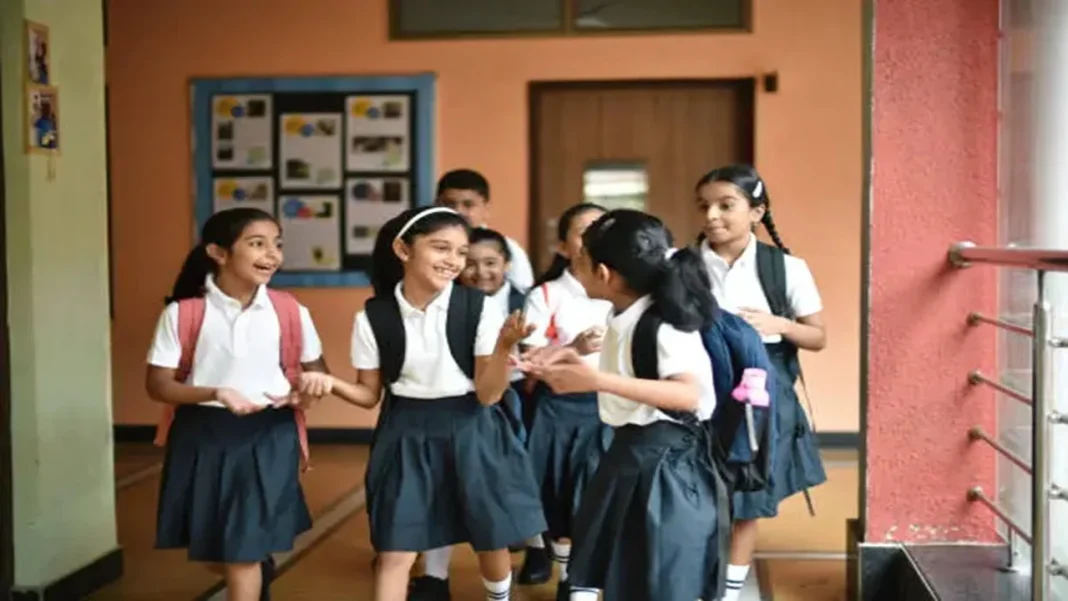

Delhi government schools and Special Training Centres will now organise monthly counselling meetings for parents or guardians of out-of-school children during the 2026–27 academic session. The move seeks to improve attendance, prevent children from leaving school again and help them settle into regular classrooms.
The Samagra Shiksha–Delhi circular, dated 24 July 2026, covers children aged six to 14 who never enrolled, dropped out before elementary education or stayed absent for long periods. Each meeting must become a recorded follow-up exercise, not a routine parent-teacher interaction.
What Has The Delhi Government Asked Schools To Do?
The official Samagra Shiksha circular asks heads of concerned government schools and Special Training Centres to hold one parental counselling session every month. The order has been issued under Samagra Shiksha and the Right to Education Act, 2009, which guarantees free and compulsory education for children aged six to 14.
The programme is aimed specifically at out-of-school children, often shortened to OoSC. Some have returned through Special Training Centres; others are already in mainstream classes. Migration, family income pressure, irregular attendance, learning gaps and limited study support at home are among the problems listed by the department.
Schools must inform parents at least three days before the session. The message can be sent through a telephone call and the student diary. Attendance and discussion records must also be maintained.
What Will The Monthly Parent Counselling Sessions Cover?
Each meeting will examine the child’s progress, but marks will not be the only subject. Teachers are expected to discuss what is keeping the child away, whether classroom work feels difficult and whether behavioural or emotional concerns are affecting attendance.
The monthly agenda will broadly include:
- reviewing attendance, punctuality and prolonged absence;
- discussing learning progress and gaps in schoolwork;
- guiding parents on homework, study routines and school participation;
- identifying behavioural, emotional, migration-related or financial barriers;
- explaining government education schemes, benefits and entitlements;
- preparing an individual follow-up plan where action is needed.
The listed agenda comes directly from the department’s plan covering academic progress, home support, emotional concerns, entitlements and dropout prevention.
This approach gives schools a chance to notice trouble before an absence turns into another dropout. A parent may explain issues that registers cannot show, such as seasonal migration, sibling-care duties, transport problems or a child feeling lost after rejoining an age-appropriate class. The official Careers360 X account reported the Delhi parent counselling order, highlighting its focus on reducing dropouts.
How Will Schools Monitor Progress After Each Meeting?
The circular assigns different jobs to officials. Heads of schools must conduct sessions, contact families and preserve records. Special Training Centre teachers will keep the academic files of enrolled children updated.
Cluster Resource Centre Coordinators, known as CRCCs, will visit schools, monitor meetings and prepare action-taken reports. These will go to District Urban Resource Centre Coordinators. District teams must combine the reports and send them to the OoSC Cell of Samagra Shiksha–Delhi on the same day.
Counselling alone cannot fix every case. A family may need details about an entitlement, extra learning help, a school-level adjustment or repeated contact after moving homes. Written action plans let the next meeting begin with what changed, what did not and who still needs to act.
Incidental spending may come from the Composite School Grant. The order reached concerned heads under DoE, municipal bodies, NDMC and Delhi Cantonment Board.
Why Is Parent Counselling Becoming A Bigger School Priority?
The Delhi order arrives while school systems are paying more attention to planned family contact and student wellbeing. The CBSE Parenting Calendar for 2026–27 encourages conversations around behaviour, learning, digital habits, personal growth and career choices.
CBSE also issued Circular No. 02/2026 on 19 January 2026, requiring affiliated schools to appoint one counselling and wellness teacher for every 500 students. That rule is wider than Delhi’s OoSC programme, yet both developments push schools away from contacting families only after a serious problem appears.
For Delhi’s monthly sessions, results will depend on parents attending regularly, clear local-language communication and follow-up that produces visible change. The target is direct: children should attend more regularly, remain enrolled, improve academically and complete school instead of slipping out quietly.
Frequently Asked Questions
1. Who Must Attend The Monthly Counselling Sessions?
Parents or guardians of out-of-school children enrolled in centres or mainstream government schools must attend.
2. Which Children Are Covered By The Delhi Programme?
Children aged six to fourteen who never enrolled, dropped out, or remained absent for months.
3. How Early Will Parents Receive Meeting Information?
Schools must contact parents at least three days beforehand through telephone calls and student diaries.
4. What Will Teachers Discuss During Counselling?
Teachers will review attendance, academic progress, learning barriers, behaviour, emotional concerns, homework and parental support.
5. Who Will Monitor Whether Schools Follow The Order?
Cluster and district coordinators will inspect sessions, compile reports and send updates to Samagra Shiksha.