

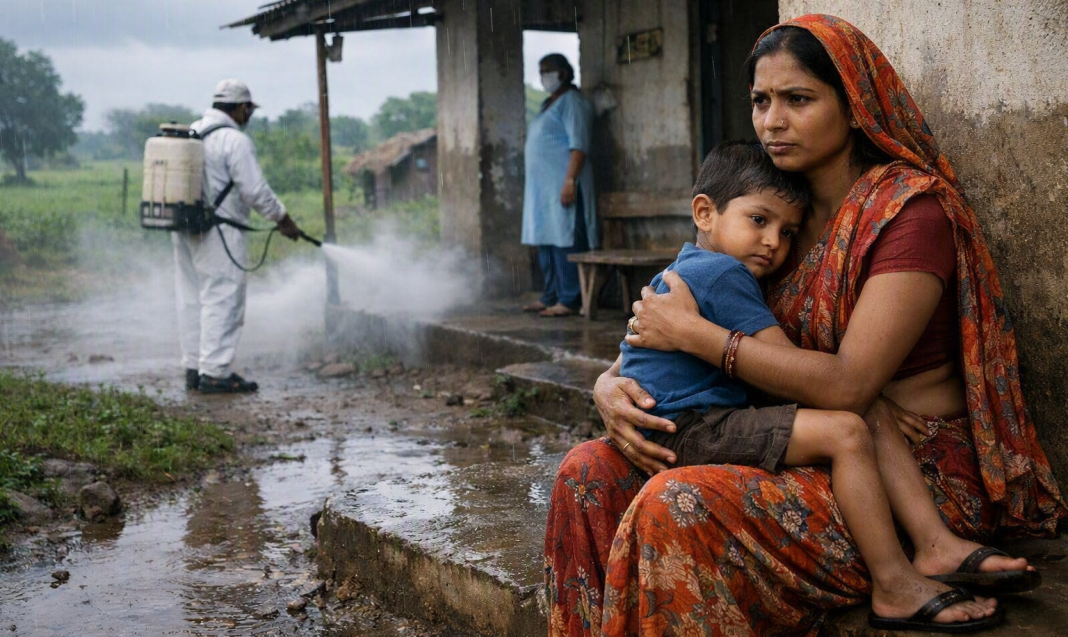

Gujarat has reported 22 child deaths linked to suspected Chandipura virus infection during the 2026 monsoon. State Health Minister Praful Panseriya said 184 suspected cases had been recorded, 35 children tested positive and results for 11 samples were still awaited. Seven confirmed patients remained in government hospitals, while six had recovered and returned home.
Since some laboratory reports are pending, the figure should be read as an outbreak-linked death toll rather than 22 fully laboratory-confirmed deaths. All confirmed patients are below 15 years, placing parents, paediatric hospitals and rural health teams on alert. The Hindu also highlighted the outbreak through its official X account.
What Has Happened In Gujarat During The 2026 Monsoon?
The infections have not formed one easily isolated village cluster. Children are receiving specialised care in Gandhinagar, Himmatnagar, Patan, Rajkot and Bhavnagar, while surveillance teams are visiting places connected with reported cases. The scattered pattern makes local detection harder because a dangerous case may initially appear to be an ordinary monsoon fever.
The latest position includes:
- 184 suspected Chandipura or related acute encephalitis cases reported across Gujarat.
- 35 children laboratory-confirmed with Chandipura virus and 11 test results still pending.
- 22 child deaths linked to the suspected outbreak during the current monsoon.
- Seven confirmed patients under treatment and six discharged after recovery.
- Government and private paediatric hospitals instructed to admit serious suspected cases without delay.
The current Gujarat Chandipura virus report says hospitals have been asked to watch for high fever, vomiting, seizures and altered consciousness. These symptoms can worsen rapidly and may require oxygen, ventilation or intensive care.
The new outbreak is especially worrying because Gujarat faced a severe Chandipura-linked acute encephalitis episode in 2024. A later NCDC review found confirmed cases spread across 20 districts and three municipal corporations, without any village reporting more than one confirmed case. The 2026 pattern again appears geographically scattered, which means surveillance cannot focus on one containment zone alone. Health workers must recognise symptoms across multiple districts and refer children before neurological damage advances.
Why Does Gujarat’s Monsoon Increase The Risk?
Chandipura virus is mainly carried by phlebotomine sandflies. Mosquitoes and ticks may also act as vectors, although sandflies remain the central concern in Gujarat’s response. Rain, humidity, vegetation and poorly sealed structures can create favourable conditions for insect populations. Sandflies often shelter in dark cracks, cattle sheds, abandoned structures, outdoor toilets and gaps in mud-plastered walls.
This is why health teams are spraying insecticide around homes and livestock areas, checking breeding sites and asking residents to seal wall cracks. The virus is not known to spread through routine human-to-human contact. The danger comes from infected vectors, delayed detection and the speed with which encephalitis can develop.
The World Health Organization’s Chandipura outbreak assessment warned in 2024 that monsoon conditions could support vector growth. It also recorded 245 acute encephalitis syndrome cases and 82 deaths nationally by 15 August 2024, making that outbreak India’s largest in 20 years.
Why Are Children Becoming Critically Ill So Quickly?
Chandipura infection can begin with fever, headache, tiredness or vomiting, then move towards seizures, confusion, reduced consciousness, coma and organ failure. The disease primarily affects children under 15, and there is no specific antiviral medicine or approved vaccine. Treatment therefore depends on rapid referral, seizure control, breathing support, fluids and close monitoring inside a capable hospital.
A recent NCDC field investigation report reviewed Gujarat’s 2024 outbreak and found fever in 92% of suspected cases, convulsions in 65% and vomiting in 45%. It also documented a 50% fatality rate among 54 confirmed cases examined during July 2024. Those numbers do not describe the 2026 outbreak directly, but they show why doctors treat warning signs as an emergency.
What Is Gujarat Doing And What Should Parents Do Now?
Gujarat has intensified surveillance, insecticide spraying, hospital preparedness and public messaging. The state has told paediatric facilities to transfer suspected severe cases to intensive care quickly. Its response follows measures used during the 2024 outbreak, when central teams supported epidemiological investigations, testing, vector control and medical training. The Union Health Ministry’s earlier Chandipura update also stressed timely referral, hygiene and insect control.
Families should not wait for fever to settle when a child also develops repeated vomiting, unusual sleepiness, seizures, confusion or loss of consciousness. Children should wear clothing that reduces insect exposure, especially near cattle sheds or damp wall cracks. Homes need repaired plaster, cleaner surroundings and cooperation with spraying teams. Rajasthan’s increased vigilance near the Gujarat border also shows that neighbouring states are watching the outbreak closely.
FAQs
What Is Chandipura Virus?
Chandipura virus is an insect-borne infection that can trigger rapidly progressing acute encephalitis in children.
How Does Chandipura Virus Spread?
It spreads mainly through infected sandflies, while mosquitoes and ticks may also carry the virus.
Is Chandipura Virus Contagious Between People?
No human-to-human transmission has been reported, so ordinary contact with patients is not considered contagious.
Which Symptoms Require Immediate Medical Attention?
High fever, vomiting, seizures, drowsiness and altered consciousness require immediate hospital assessment, especially in children.
Is There A Vaccine For Chandipura Virus?
No specific vaccine or antiviral treatment exists; early intensive supportive care may improve survival chances.