
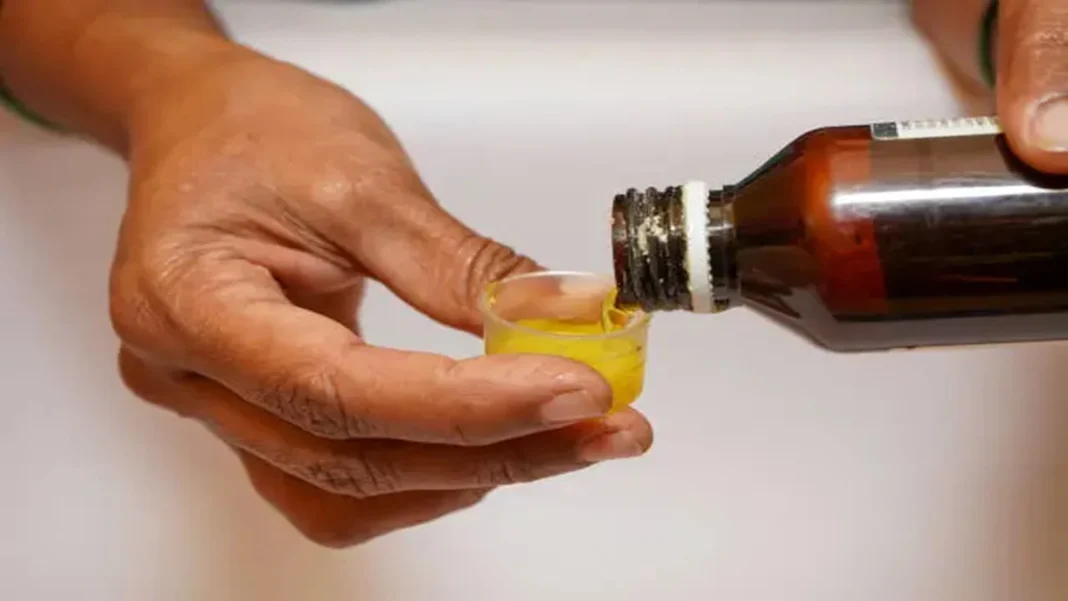

Walk into a chemist for a cough syrup now, and one thing can stop the sale fast: no valid doctor’s prescription. India has tightened the sale of syrup-based medicines after a June 9, 2026, gazette notification removed the long-used Schedule K exemption for syrups under the Drugs Rules, 1945. That means cough syrups and similar medicinal syrups are no longer part of the easy over-the-counter route they once used in many areas.
What Changed In The New Health Ministry Rules
The core change is simple. The government removed “syrup” from the exemption list in Schedule K, which earlier allowed wider retail sale patterns in smaller towns and villages. From here on, syrup-based medicines, including cough syrups, are to be sold and dispensed through duly licensed pharmacies, and purchase now requires a doctor’s prescription. Pills, tablets, and lozenges remain outside this specific change.
This is why the “crucial document” is the prescription. Without it, the chemist is expected to refuse the sale of covered syrup medicines. Reports published on June 16, 2026, say the rule is meant to shut the gap that allowed easier access in some local markets, especially beyond big cities.
The move follows years of concern around syrup safety, misuse, and weak control in the supply chain. Reuters reported that contamination-linked cases tied to Indian-made cough syrups were connected to more than 140 child deaths in Africa and Central Asia since 2022, pushing regulators to tighten oversight.
Why Local Pharmacies Are Being Hit First
For many city chemists, prescription checks were already more common. The bigger impact may be in village and semi-urban markets, where syrup sales could happen with less scrutiny because of the old exemption structure. The new rule brings local pharmacies under a more uniform national compliance standard.
That means chemists now carry more responsibility. They must check whether the customer has a valid prescription, confirm the medicine matches the order, and avoid the casual sale of medicinal syrups that previously moved faster across the counter. For families, it adds one more step before purchase. For pharmacies, it adds paperwork risk and compliance pressure.
What Customers Will Notice At The Counter
- A doctor’s prescription may now be asked for before billing for syrup medicines.
- Small neighbourhood chemists may refuse sales they earlier allowed.
- Repeat purchases could still need a fresh, valid prescription, depending on the medicine.
- Rural buyers may feel the change more sharply than metro buyers.
- Tablets and lozenges are not covered by this exact syrup-focused amendment.
Why The Government Tightened Access Now
The timing is not random. India has been under pressure to strengthen drug safety after international scrutiny over toxic syrup contamination. Alongside export testing and plant inspections, the government has been steadily tightening the rules around cough syrup manufacturing and distribution. Reuters said nearly 90% of syrup manufacturers were inspected, and action was taken where standards were not met.
There is also a misuse angle. Easy access to some cough preparations has fueled self-medication for years. Public health experts quoted in news coverage said the new rule should reduce casual and repeated unsupervised use, especially where people buy syrups for children or an ongoing cough without clinical advice.
The official regulatory trail also shows this was not a sudden overnight decision. CDSCO’s gazette page lists the final June 9, 2026, notification and an earlier draft notification from December 29, 2025, showing the amendment moved through the formal process before taking effect.
Where To Track The Rule And Official Updates
The most reliable source is the CDSCO gazette notification page, which lists G.S.R. 477(E) dated June 9, 2026, for the removal of the syrup exemption under Schedule K. That is the document local pharmacies, wholesalers, and compliance teams will refer to first.
So, if a chemist now asks for a prescription before handing over cough syrup, that is not a random store policy. It is the result of a formal national rule change. The easy takeaway is clear: for syrup medicines, the old casual purchase route is closing, and the prescription is now the document that decides whether the sale happens.
FAQs
1. What document is now required to buy cough syrup?
A valid doctor’s prescription is now required for syrup-based medicinal purchases at licensed pharmacies across India.
2. Does the new rule apply only to cough syrups?
No, reports say syrup-based medicines broadly are covered, not only standard cough syrups.
3. Are tablets and lozenges affected by this rule?
No, tablets and lozenges remain on the exemption list under current reporting.
4. Why did the government make this change now?
Safety concerns, contamination cases, and misuse fears pushed regulators to tighten syrup sales.
5. Where can pharmacies verify the official notification?
They can check the CDSCO gazette notifications page listing G.S.R. 477(E).