

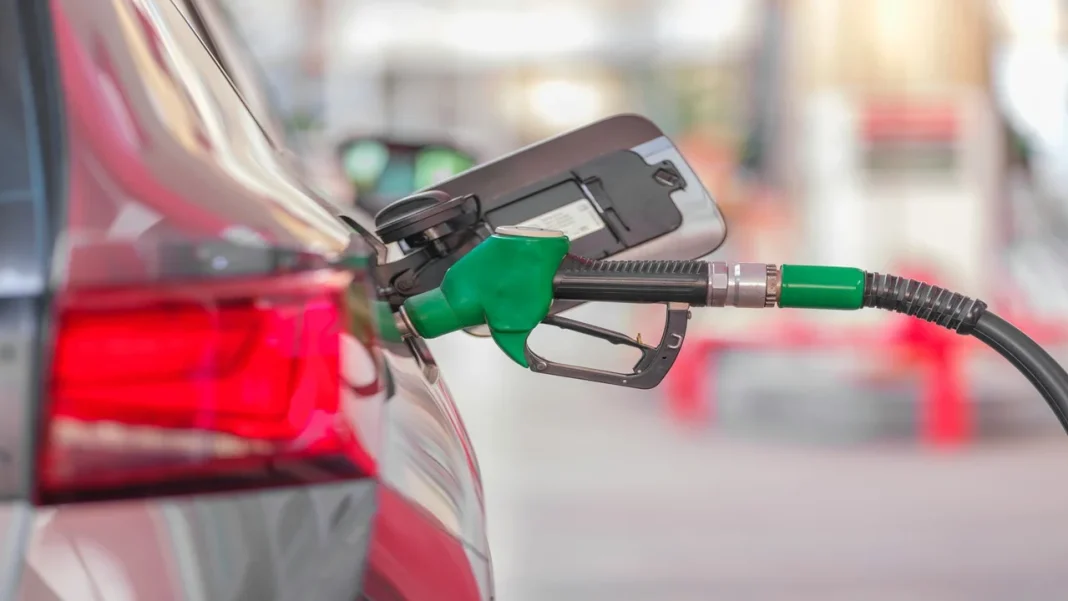

Petrol with 22–30% ethanol has now received excise duty exemption in India, giving the country’s ethanol fuel plan a fresh push beyond E20. Petrol containing 22% to 30% ethanol will be exempt from excise duty under the latest government notification.
For car owners, this does not automatically mean pump prices will drop tomorrow morning. It means the government is creating a tax path for higher ethanol fuels before they become common at petrol pumps. The change is also linked with India’s wider plan to cut crude oil imports, support domestic ethanol production, and prepare the market for flex-fuel vehicles.
Why Petrol With 22–30% Ethanol Is Now In Focus
India has already moved strongly into E20 petrol, which contains 20% ethanol and 80% petrol. The new excise-free category goes one step higher. The Times of India reported that the exemption applies to E22, E25, E27 and E30 petrol blends.
E22 means 22% ethanol and 78% petrol. E25 means 25% ethanol and 75% petrol. E27 means 27% ethanol and 73% petrol. E30 means 30% ethanol and 70% petrol.
The finance ministry’s tax exemption is important because fuel companies, automakers and pump operators need price support before a new fuel type reaches regular users. Without tax relief, higher ethanol blends may not look attractive to buyers, especially if mileage changes.
The timing also fits with India’s recent E85 launch. PIB said India’s ethanol blending progress has been linked with energy security, cleaner fuel use and lower import dependence. E85 is different from E22 to E30 because it has a much higher ethanol share and is meant for flex-fuel vehicles.
Will Fuel Bills Go Down For Car Owners?
The simple answer is maybe later, not immediately. Excise-free higher ethanol petrol can reduce the tax load on the fuel, but retail price depends on many items: crude oil cost, ethanol procurement price, state VAT, dealer margin, logistics, oil marketing company pricing and availability.
The Economic Times reported that fuel prices in major Indian cities stayed unchanged after the excise relief announcement. That means a car owner should not expect instant savings just because the notification has arrived.
There is another point. Ethanol has lower energy content than petrol. So, a higher ethanol blend can sometimes give slightly lower mileage unless the vehicle is designed or tuned for that blend. NITI Aayog’s ethanol roadmap had earlier flagged fuel-efficiency changes with E20, especially for vehicles not originally designed for higher ethanol blends.
So, the real savings question has two sides. The fuel may become cheaper after tax relief, but the driver must also check mileage and compatibility. A lower pump price is useful only when the car can safely use that fuel without repair risk or heavy efficiency loss.
What Should Existing Petrol Car Owners Check First?
Many car owners are already asking one practical question: can my car run on E22, E25, E27 or E30? The safest answer is to check the owner’s manual, fuel lid label, dealership advisory, or company service bulletin. Do not fill higher ethanol petrol only because it is cheaper.
Older petrol cars may have rubber parts, plastic components, seals, hoses or fuel-system materials that were not designed for higher ethanol exposure. Ethanol can also absorb moisture, so storage and fuel-system quality become important.
Quick Checks Before Using Higher Ethanol Petrol
Car owners should check these points before trying higher ethanol blends:
- Check whether the vehicle is E20, E25, E30 or flex-fuel compatible.
- Ask the authorised service centre before filling any higher blend.
- Avoid using E85 unless the vehicle is a flex-fuel model.
- Track mileage for 2–3 full tanks after switching.
- Watch for hard starting, jerking, warning lights or unusual engine sound.
- Keep fuel bills and service records during the first few months.
This is especially important for used-car buyers. A used car may be technically new enough for E20, but poor maintenance, replaced parts, or old fuel lines can create trouble when fuel composition changes.
For new-car buyers, the question is different. They should now ask showrooms about ethanol compatibility before booking. A small difference in sticker price may be worth it if the car can handle future fuel blends better.
More Updates You Shouldn’t Miss
Can Property Loss Cut Your Tax?
Find out how new capital gains rules may help reduce your tax burden.
Is Bharat Taxi Worth Switching To?
Check out how the zero-commission platform works for drivers and riders.
Need A PUC Before Refueling?
Browse quick ways to get an instant PUC in Delhi-NCR today.
Which Cars Are Launching This Month?
See the biggest upcoming launches from Mercedes, BMW and Tata.
Could Fuel Be Denied This Weekend?
Get to know why Delhi drivers without a PUC may face restrictions.
Final Word For Car Owners
Petrol with 22–30% ethanol becoming excise-free is a big policy signal, but car owners should stay practical. Do not treat every ethanol blend as normal petrol. Check your vehicle’s compatibility, compare mileage, read pump labels carefully and follow company guidance.
Fuel bills may come down in the future if tax relief reaches pump prices. But for daily drivers, the safest saving is still simple: use the right fuel, maintain tyre pressure, service the engine on time and avoid a fuel experiment that can create repair costs later.
FAQs
1. What Is E22 Petrol?
E22 petrol contains 22% ethanol and 78% petrol, mainly meant for higher ethanol blending.
2. Is E30 Petrol Safe For All Cars?
No, E30 should be used only if the vehicle maker confirms proper fuel compatibility.
3. Will Petrol Prices Fall Immediately?
Not necessarily. Retail prices depend on taxes, crude oil, ethanol cost and pump pricing.
4. Can Normal Cars Use E85 Fuel?
No, E85 is meant for flex-fuel vehicles, not regular petrol-only cars.
5. Why Is Ethanol Added To Petrol?
Ethanol helps reduce crude imports, supports domestic production and can lower some vehicle emissions.