
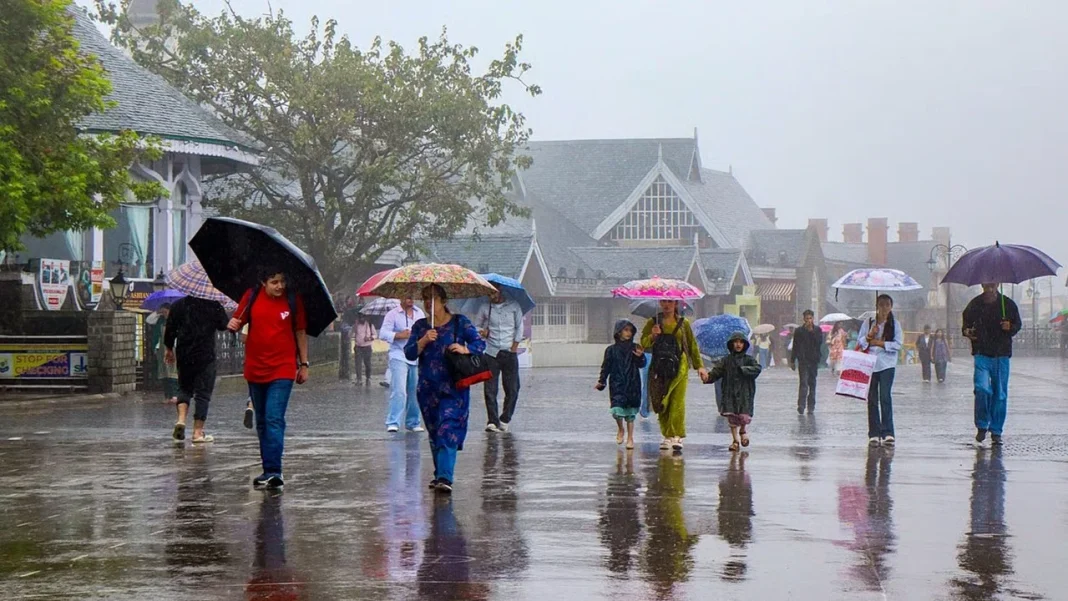

India is nearing the end of the 2026 southwest monsoon with cumulative rainfall about 15% below the long-period average, putting the season on course to become the weakest since 2009 if the gap holds. The shortfall is now being watched closely for its impact on crops, reservoirs and food prices.
The India Meteorological Department’s May seasonal forecast had already turned cautious, forecasting June-September rainfall at 90% of the long-period average. September was later projected to remain below normal, with strong El Niño conditions prevailing over the equatorial Pacific. With withdrawal expected to begin from parts of west Rajasthan around September 19, the recovery window is getting smaller.
Why The 15% Rainfall Deficit Is Drawing Attention
The season opened with a weak June, when rainfall was roughly 36% below normal. July brought a brief recovery, but by mid-September the all-India deficit had returned to around 15%. Southern peninsular India and east and northeast India have recorded some of the larger regional shortfalls.
IMD’s official rainfall dashboard is still tracking cumulative rainfall from June 1 across states, subdivisions and districts. The concern is not only the national total. Long dry spells during flowering, grain filling and other crop stages can hurt output even when isolated places receive heavy showers later.
Key developments now being watched include:
- Monsoon withdrawal may begin around September 19 from west Rajasthan.
- September rainfall is forecast to remain below normal nationally.
- Strong El Niño conditions are expected to strengthen further.
- Kharif acreage was still slightly below last year by September 11.
- Reservoir storage was below last year and the recent long-term average in early September.
Could A Stronger El Niño Make September Drier?
Yes, although El Niño does not automatically bring drought to every part of India. The phenomenon develops when the central and eastern equatorial Pacific becomes unusually warm, altering atmospheric circulation and sometimes weakening monsoon-supporting patterns over South Asia.
IMD’s September outlook said strong El Niño conditions were prevailing and could strengthen in the coming months. It also projected below-normal September rainfall for India as a whole. That leaves limited time for the national deficit to narrow sharply before the monsoon begins retreating.
IMD also posted its September outlook through the India Meteorological Department’s official X account, highlighting below-normal rain across many areas and strong El Niño conditions over the Pacific. The update said September rainfall nationally was most likely to remain below 91% of LPA.
A late Bay of Bengal weather system could still bring useful rain to eastern or northeastern India. However, forecasters cited by Business Standard said such a system may not erase the national shortfall. The final seasonal number will depend heavily on where any late-September rain actually falls.
What Does The Weak Monsoon Mean For Crops And Food Prices?
The crop story is already becoming more important. Rice, maize, cotton, soybean, pulses and sugar cane can all face moisture stress depending on location and growth stage. Reuters reported on September 17 that India’s 2026 rice output could fall to around 144 million tonnes, about 6.5% below last year’s record, though government stocks remain large.
Food prices are being watched too. India’s food inflation rose to 5.95% in August, while overall retail inflation reached 4.82%. The latest Ministry of Statistics and Programme Implementation CPI release provides the official August inflation update. Weak rainfall does not guarantee another price jump, but lower yields and tighter supplies can create pressure in affected commodities.
Reservoir levels add another concern. Storage across 178 monitored reservoirs was about 129.87 billion cubic metres on September 3, below last year’s level and the ten-year average. Lower carry-over water could affect rabi sowing if autumn rain also disappoints.
What Happens Next As The Monsoon Starts Withdrawing?
The remaining days of September will decide whether the monsoon ends near the current 15% deficit or improves modestly. IMD’s official monsoon withdrawal criteria include several dry days, lower atmospheric moisture, and the establishment of an anticyclone over northwest India.
For farmers, the effects could continue after the monsoon officially retreats. Soil moisture, reservoir levels, kharif harvests and rabi planting will shape food supplies into winter. Even a few strong showers cannot fully replace months of missing rainfall across large regions.
The final June-September total will be confirmed only after the season ends. Until then, the 15% figure remains a running deficit, not the final 2026 monsoon outcome.
FAQs
1. Is India already having its driest monsoon in 17 years?
Not yet; it will qualify if the current deficit persists through the season’s final tally.
2. How large is India’s monsoon rainfall deficit now?
India’s cumulative southwest monsoon rainfall is about 15% below the long-period average so far nationally.
3. Can El Niño reduce monsoon rainfall in India?
Yes, El Niño can suppress rainfall, although its effects differ widely across India’s monsoon regions.
4. Which crops face greater risk from weak September rain?
Rice, maize, cotton, soybean, pulses and sugar cane may face pressure from prolonged moisture shortages.
5. When could the southwest monsoon start withdrawing?
IMD expects withdrawal from parts of west Rajasthan around September 19, 2026, conditions permitting locally.
Explore India’s Biggest Weather and Security Developments
Could El Niño Disrupt India’s Monsoon?
Check out how El Niño could affect rainfall patterns during the monsoon.
Will India Record Its Lowest Rainfall?
Find out why India could experience unusually low monsoon rainfall.
Who Can Apply For AP Jobs?
Uncover the new eligibility rules after Andhra Pradesh raised the upper age limit.
What Are Yudh Abhyas 2026 Troops Practising?
Explore the military exercises being conducted jointly across Uttarakhand and Rajasthan.
Could Glacial Lakes Threaten Indian Communities?
Reveal how climate risks in the Himalayas could affect vulnerable communities.