

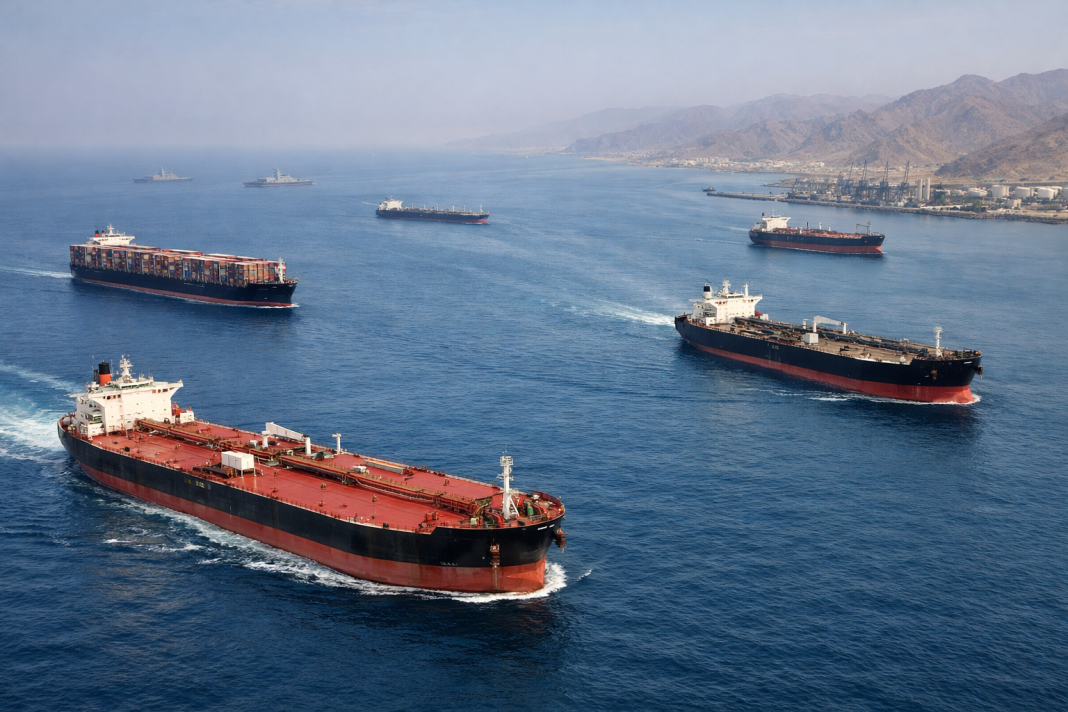

Asia’s energy crisis has widened after Houthi threats against Saudi-linked ships pushed tankers away from the Bab al-Mandab Strait. The waterway connects the Red Sea with the Indian Ocean and has gained fresh importance after oil traffic through the Strait of Hormuz was severely disrupted earlier in 2026.
For India, the immediate danger is not necessarily a nationwide fuel shortage. The bigger near-term threat is a costlier journey for crude oil, diesel, fertiliser inputs and container cargo. Tankers diverting through the Suez Canal or around Africa must sail farther, burn more fuel and remain occupied longer. Those extra costs can reach refiners, transport companies, exporters and consumers.
Key Highlights From The Red Sea Oil Disruption
- Houthi forces have threatened Saudi-linked vessels near Bab al-Mandab.
- Tankers are considering Suez or Cape of Good Hope diversions.
- Longer voyages can increase freight, insurance and marine fuel bills.
- India may face imported inflation without an actual crude shortage.
- Diesel, aviation fuel and goods transport could feel pressure first.
Why Asia Is Facing A Second Oil Route Shock
The Red Sea warning arrived while energy markets were still dealing with the Hormuz crisis. The International Energy Agency says about 20 million barrels per day of crude and petroleum products passed through Hormuz in 2025. Flows later fell sharply during the 2026 conflict, forcing producers to find other routes.
Saudi Arabia moved some crude through its east-west pipeline to Yanbu on the Red Sea coast. That reduced dependence on Hormuz but made Bab al-Mandab more important for cargoes sailing towards Asia. Reuters reported that Asian refiners began examining Suez and Egypt’s SUMED pipeline after Houthi warnings. One Saudi crude tanker heading towards India reportedly changed course.
The African Union also warned in an official X post that Red Sea disruption could damage maritime links, supply chains and energy security. The danger is wider than oil because the corridor also carries food, chemicals, machinery and manufactured goods.
Could Petrol And Diesel Prices Rise In India?
Higher crude prices do not automatically cause an immediate pump-price increase. Indian petrol and diesel rates also depend on taxes, refining costs, marketing margins and government decisions. However, prolonged disruption can reduce the ability of oil marketing companies to absorb expensive imports.
India imports most of the crude it processes. When tankers take longer routes, buyers may pay more for freight and war-risk insurance. Refiners may also compete harder for cargoes from Russia, the United States, Africa or Latin America. Switching crude grades can add costs because refineries are designed around particular oil blends.
Pressure may first appear in aviation fuel, bulk diesel contracts and refinery margins. Truck operators could then seek revised charges, raising delivery costs for food, cement and online orders.
Why Freight Costs May Rise Before Fuel Rates
Shipping disruption reaches businesses through oil prices and cargo movement. A Cape of Good Hope diversion can add days or weeks, depending on the vessel and destination. More sailing time means higher bunker fuel use, crew expenses, and fewer ships available for new bookings. Some diversions could add up to four weeks to a journey.
Indian exporters may face costlier container space on Europe and African routes. Importers could also pay more for machinery, chemicals and electronic components.
The International Maritime Organization’s Red Sea page records attacks and safety concerns affecting commercial shipping. Insurers react quickly to such risks, so freight quotations can rise before any official supply shortage is declared.
What Can India Do Next?
India can spread crude purchases across more suppliers, use strategic petroleum reserves carefully and secure ships through longer contracts. Refiners may also buy more oil from routes avoiding both Hormuz and Bab al-Mandab, though those barrels may be costlier.
Authorities must track diesel stocks, airline fuel bills and port congestion. A sustained blockade or repeated tanker attacks would be harder to absorb.
Will India Face Higher Fuel And Freight Costs?
The risk has clearly risen, but the final impact depends on how long shipping remains disturbed. India’s diverse supplier base and large refining system offer some protection, yet they cannot remove global tanker, insurance and crude-price shocks.
Freight costs are more likely to move first. Pump prices may remain unchanged if companies or the government absorb part of the pressure. A long Red Sea oil blockade, combined with weak Hormuz flows, could still leave India paying more for energy and imported goods.
FAQs
What Is The Bab Al-Mandab Strait?
It links the Red Sea with the Arabian Sea and carries oil, cargo and trade.
Why Are Tankers Avoiding The Red Sea?
Houthi threats and attack risks are pushing operators towards longer alternative shipping routes for safety.
Will Petrol Prices Rise Immediately In India?
Not necessarily, as retail rates also depend on taxes, margins and government pricing decisions domestically.
Which Indian Sectors Face The Highest Risk?
Airlines, trucking, fertilisers, exporters and manufacturers relying on imported components may face early cost pressure.
Can India Replace Disrupted Middle Eastern Oil?
India can buy elsewhere, but alternative barrels may cost more or require longer voyages and adjustments.