
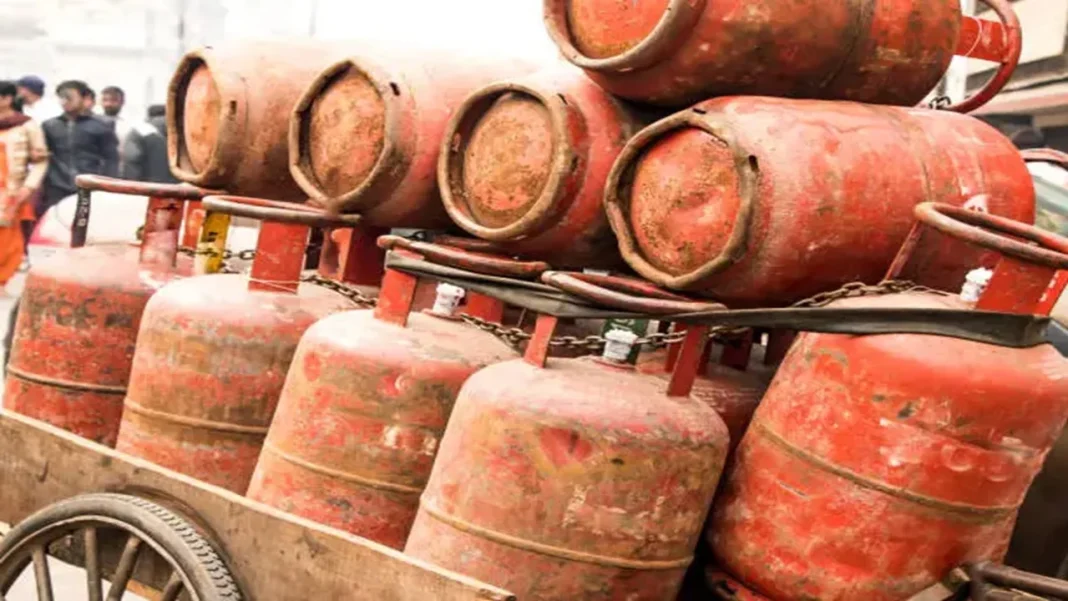

A kitchen accident rarely begins with a dramatic moment. Usually, it starts with something small: a worn hose, a weak regulator fit, a leaking valve, or a cylinder placed too close to heat. That is why the Pune LPG blast has shaken so many families this week.
On June 5, 2026, a cylinder blast and fire in Pune’s Kharadi area killed three family members, while a 5-year-old girl survived after jumping from the first-floor balcony, according to multiple reports. Initial reporting pointed to an LPG leak before the explosion.
If you are doing a defective LPG cylinder check at home this summer, do not wait for the refill day rush or for a strong gas smell. Hot weather, poor ventilation, and busy kitchens can turn one neglected fault into a disaster.
Why Summer Makes LPG Risks Harder To Ignore
Indian kitchens already deal with heat, closed windows, morning cooking rush, and packed storage corners. In that setting, even a small leak can build up fast if air circulation is poor. LPG itself is colourless, and companies add ethyl mercaptan so leaks can be detected by smell. That smell is your warning, not something to brush aside for later.
The Pune case has pushed cylinder safety back into public conversation for a reason. It was not some remote industrial story. It happened inside a home, in a routine domestic setup. India Today’s official X post on the Pune blast.
The 5-Step Defective LPG Cylinder Check Every Kitchen Should Follow
Before you cook tonight, do this once properly:
- Inspect the seal and body first: If the cylinder seal looks broken, loose, tampered with, or the body shows deep dents, rust patches, or burn marks, reject it.
- Check the valve and O-ring area: Official LPG delivery protocols say the delivery person should check valve leakage and O-ring leakage before handover.
- Test joints with soap solution: Apply soap water around the valve, regulator, and hose ends. Bubbles mean leakage.
- Examine the rubber tube: If the hose is cracked, hardened, greasy, loose, or too close to the burner, replace it.
- Keep the cylinder upright in a ventilated spot: Never place it near heat, under direct sunlight, or in a cramped cabinet.
That five-minute check is not overcareful. It is basic household discipline.
What A Defective Cylinder Usually Looks Like At Home
The problem is that many faulty cylinders do not look dramatic. They look ordinary until one sign is missed.
Small Warning Signs People Often Dismiss
A regulator that does not lock cleanly. A faint smell near the valve after changing the cylinder. A hiss for one second longer than usual. A hose clip that feels loose. A stove flame that acts oddly after the new cylinder is connected. These are not tiny household quirks. They are red flags.
Official consumer guidance also says customers should insist on periodic inspection of the LPG installation by a trained mechanic, with HP Gas stating that a mandatory inspection should be done once in 2 years.
Another habit worth fixing is accepting a cylinder and rolling it straight into use without watching the handover check. Older LPG marketing guidelines say the delivery man should show the seal, open it with the customer’s permission, and demonstrate soundness by checking leakage and connecting the cylinder safely.
More LPG & Energy Updates
What Changed From June 1?
Check out the latest nationwide rule updates.
What Is TVK Promising Families?
Find out the key welfare benefits announced.
Why Is LPG Supply Tight?
Uncover what’s driving the cylinder shortage.
Thinking Of Switching To PNG?
See how to get a new connection.
How To Claim Solar Subsidy?
Browse the latest application steps.
What To Do The Moment You Smell Gas
Do not panic, but do not test your luck either.
Switch off the regulator if it is safe to reach. Open doors and windows immediately. Do not use the exhaust fan. Do not switch lights or appliances on or off. Do not use your phone inside the kitchen if the smell is strong. Move people out. Then call the LPG emergency helpline 1906, which is listed on Indane, PMUY, and Bharatgas channels.
The Ministry of Petroleum’s public safety messaging has repeated the same advice: ventilate the area, avoid electrical devices, and seek emergency help quickly.
That part is where many homes make a costly mistake. People try one more match, one quick test, one last burner click. That is often when the blast happens.
A Safer Refill Routine Indian Families Should Keep Year-Round
Make cylinder safety a refill-day ritual, not a reaction after a tragedy. Keep the stove platform uncluttered. Do not store papers, cloth bags, oil bottles, or plastic containers near the flame zone. Ask for a proper leak demonstration during delivery. Replace ageing tubes on time. Keep children away when changing cylinders. And if your kitchen feels unusually hot and boxed in during summer afternoons, improve ventilation before regular cooking begins.
A defective cylinder rarely announces itself loudly at first. It gives you clues. The safer home is usually the one that pays attention early.
FAQs
1. How often should I inspect my LPG hose?
Check monthly for cracks, stiffness, looseness, heat damage, grease buildup, and unsafe burner proximity at home.
2. Can I test an LPG leak with a flame?
Never use flame testing. Use soap solution only, because sparks can trigger immediate ignition indoors.
3. What number should I call during an LPG leak?
Call 1906 immediately, leave the area, ventilate the kitchen, and wait for trained emergency help.
4. Should the cylinder stay inside a closed cabinet?
No. Cylinders need upright placement, airflow, and distance from heat, flames, and electrical points always.
5. Is a faint gas smell after replacement normal?
No. Even light odour needs checking at valve, regulator, hose joints, and kitchen ventilation immediately.