

Lucknow has pulled off one of the sharpest turnarounds in India’s clean-air rankings, taking first place in the Swachh Vayu Sarvekshan 2026 among cities with populations above 10 lakh. The Uttar Pradesh capital scored 198 out of 200, while last year’s leader Indore finished on 197 and Jabalpur on 195.
The one-point gap has put PM10 at the centre of the story. Yet there is a twist: Indore’s annual PM10 concentration was actually lower than Lucknow’s in 2025-26. What hurt Indore was its much smaller improvement from its original baseline.
What The 2026 Clean Air Ranking Shows
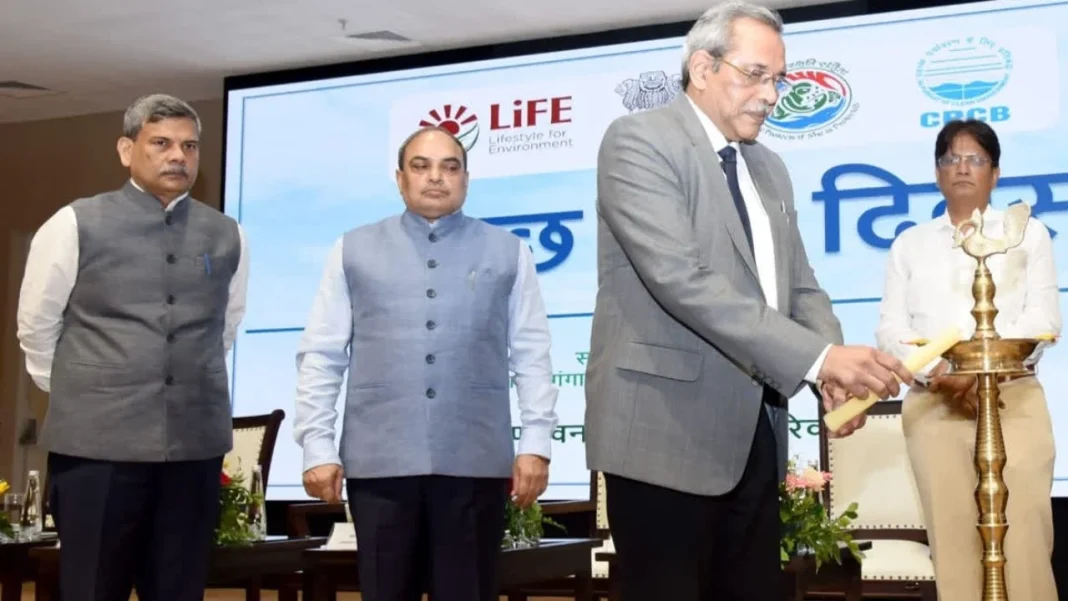
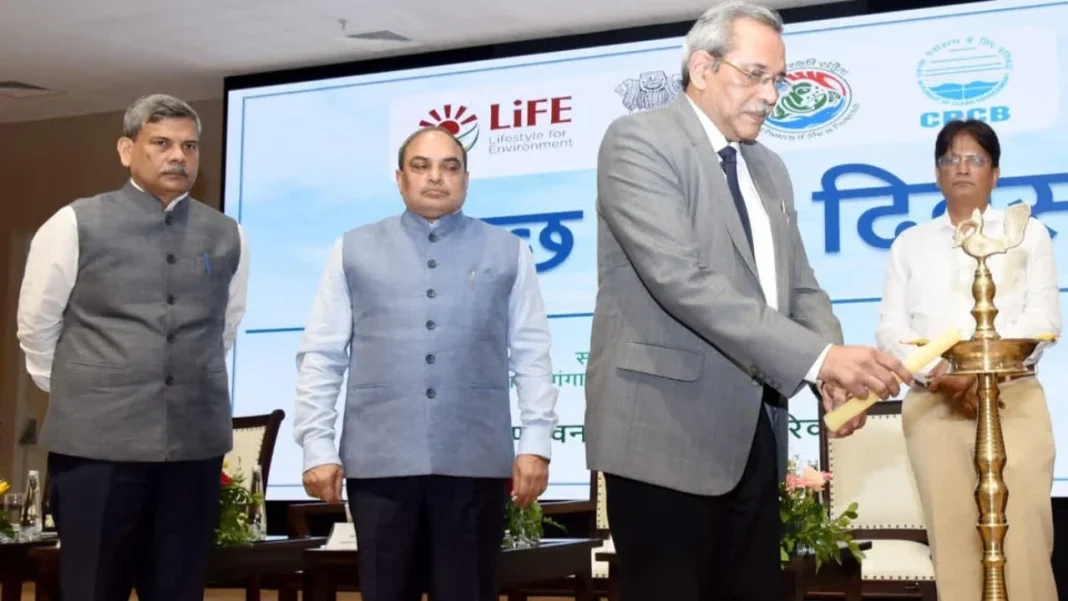
The fifth Swachh Vayu Sarvekshan was announced on September 7 during Swachh Vayu Diwas. According to the official PIB release on the 2026 awards, all 130 National Clean Air Programme cities were assessed in three population groups through city self-assessment, state-level approval, CPCB evaluation and independent field verification.
Key Highlights
- Lucknow scored 198/200, Indore 197 and Jabalpur 195 in the million-plus population category.
- Indore had topped the 2025 survey with a perfect 200, while Lucknow previously stood at 15th.
- Lucknow’s Ward 70 ranked first nationally among wards with populations above 30,000.
- Across India, 108 of 130 NCAP cities recorded lower PM10 levels than their 2017-18 baselines.
| City | 2026 Score | Rank |
| Lucknow | 198 | 1 |
| Indore | 197 | 2 |
| Jabalpur | 195 | 3 |
The survey looks at road dust, solid-waste management, vehicle emissions, industrial pollution, construction and demolition waste, other emissions and public-awareness work rather than simply ranking daily AQI readings. In the smaller population groups, Rourkela and Kalinganagar took top honours, while the first ward-level awards widened the 2026 exercise further.
Why PM10 Cost Indore The Top Position
PM10 refers to particulate matter measuring 10 micrometres or less. It can come from road dust, construction, vehicles, industry and burning. India’s annual national standard for PM10 is 60 µg/m³.
Indore’s number looks better at first glance. The latest government PM10 data for NCAP cities show its annual concentration moved from 82 µg/m³ in 2017-18 to 78 µg/m³ in 2025-26, an improvement of only around 4.9%. Lucknow, by comparison, went from 253 to 135 µg/m³, a much steeper 46.6% reduction.
That difference helps explain the surprise result. Under the Swachh Vayu assessment framework used through FY 2025-26, improvement in PM10 concentration carried only a small share of the overall scoring, while pollution-control measures across several sectors carried much greater weight. Indore Mayor Pushyamitra Bhargava also said the city lost the top position because it lagged on the PM10 parameter.
So Indore was not simply “dirtier” than Lucknow. Its annual PM10 was lower, but the improvement from its baseline was far smaller.
How Lucknow Jumped From 15th To First
Lucknow’s rise came through municipal interventions across several fronts. The city expanded electric mobility in waste collection, used mechanised road sweepers, worked on legacy waste and pushed greening projects. Cleaner transport and dust-control measures also became a larger part of its city action plan.
Road dust was a particularly important target. Paving road shoulders, mechanised sweeping and stricter controls at construction sites can reduce the particulate pollution that traffic repeatedly throws back into the air.
Waste management helped too. Better collection, processing and efforts to stop open burning attack another regular source of urban smoke and particles.
The ward-level result supplied another headline. Lucknow’s Ward 70 finished first in the large-ward category, showing that the clean-air competition has now moved below the city level as well.
This distinction is important because a city’s pollution level and its survey score can move in different directions. A city may still have high particulate pollution yet earn strong marks for source-control work, while another with lower concentrations can lose points if its improvement from the baseline remains limited.
What’s Changing Across UP And Indian Railways?
- Why Is Tejas Becoming Sprite Tejas?
Check out why Lucknow-Delhi Tejas Express is getting a surprising branded identity. - Is H1N1 Rising Again In UP?
Find the latest swine-flu alert and hospital preparations across four districts. - Who Gets UP’s Free Bus Travel?
Uncover who may qualify and when the elderly women’s travel scheme could begin. - Which Cities Will Get Amrit Bharat?
Browse the cities and states set to receive seven new Amrit Bharat Express trains. - How Did Awadh Mahashakti Race 160 km?
Dive into how the massive freight train completed its record-breaking journey in under four hours.
Does Lucknow Now Have India’s Cleanest Air?
Not exactly. Swachh Vayu Sarvekshan is a performance ranking, not a simple league table showing which city recorded the lowest pollution concentration. Lucknow’s annual PM10 remained around 135 µg/m³ in 2025-26, more than twice the national standard of 60 µg/m³.
The wider national numbers tell a similarly mixed story. The government says 108 of 130 NCAP cities improved PM10 compared with 2017-18, 72 cut concentrations by more than 20%, and 26 achieved reductions above 40%. Still, just 14 cities met the national PM10 standard.
For Indore, the one-point loss is less a collapse than a warning that past success does not guarantee the next clean-air title. For Lucknow, first place brings national recognition, but its PM10 figure shows there is still a considerable distance between leading the survey and reaching India’s prescribed air-quality standard.
FAQs
Why Did Lucknow Rank Above Indore In 2026?
Lucknow scored 198 points, finishing one point ahead of Indore’s 197 in the million-plus category.
What Is PM10?
PM10 is particulate matter measuring ten micrometres or less, often linked to dust and emissions.
Was Indore’s PM10 Higher Than Lucknow’s?
Indore’s annual PM10 was lower than Lucknow’s, but its reduction from baseline was far smaller.
Did Lucknow Meet India’s PM10 Standard?
No. Lucknow’s annual PM10 still exceeded India’s national standard of 60 micrograms per cubic metre.
Does The Survey Rank Cities Only By Air Pollution Readings?
The survey scores city actions, verification, pollution-source controls and PM10 improvement, not daily AQI alone.