
India is moving closer to having a dengue vaccine available outside clinical trials. Takeda’s Qdenga, already cleared by India’s drug regulator, is expected to reach the private market in the first half of 2027 through Dr Reddy’s Laboratories.
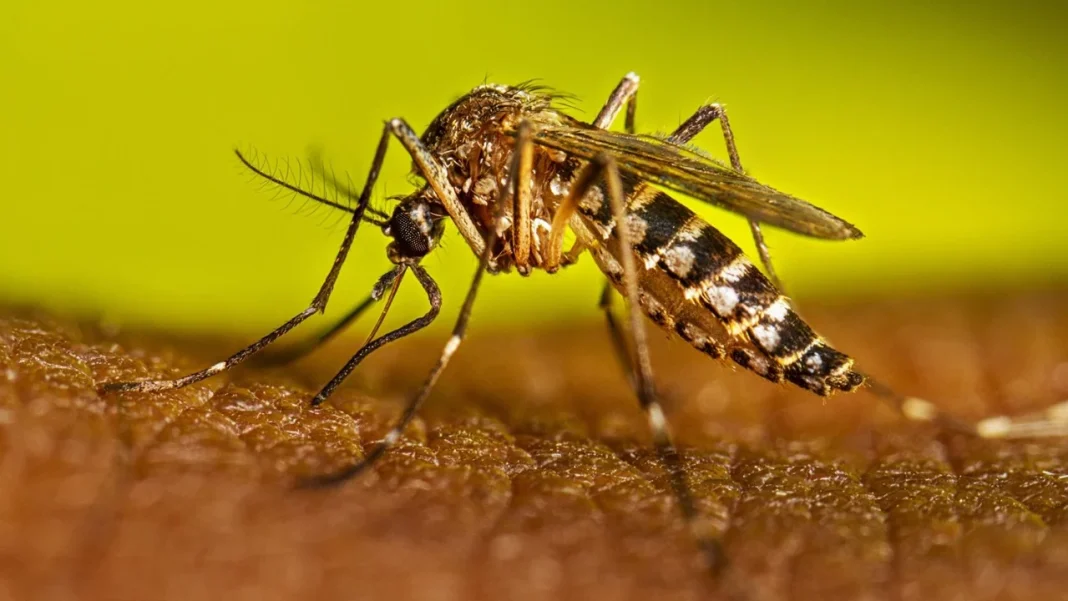
The timing draws attention because dengue remains a recurring public-health problem, particularly around and after the monsoon. Yet the vaccine will not make mosquito control obsolete. Its role is likely to be another layer of prevention, not a replacement for removing breeding sites, early testing or timely treatment.
What Changes With Qdenga’s 2027 Launch?
The Central Drugs Standard Control Organisation granted marketing authorisation to Qdenga in July 2026 for people aged 4 to 60. According to the Press Information Bureau’s July 21 approval announcement, it is a live, attenuated tetravalent vaccine designed against all four dengue virus serotypes, DENV-1 to DENV-4.
On September 18, 2026, Takeda and Dr Reddy’s announced an exclusive agreement for India’s private market. Dr Reddy’s will promote and distribute the vaccine for paediatric and adult vaccination, with availability anticipated during the first half of 2027 once remaining local processes are completed.
Key Updates
- Qdenga is India’s first dengue vaccine to receive CDSCO marketing authorisation.
- The Indian approval covers people aged 4–60 years.
- Two 0.5 ml doses are recommended, three months apart.
- The 2027 rollout is initially aimed at India’s private healthcare market.
The government’s July approval note said the decision also drew on a Phase 3 safety and immunogenicity study conducted in India across the 4–60 age group. At that stage, Qdenga had regulatory approval in 42 countries, WHO prequalification, and more than 24 million doses distributed globally.
Dr Reddy’s also confirmed the latest development through its official X post on September 18, saying Qdenga is anticipated to become available during the first half of 2027.
Pricing for India has not yet been announced. That will be closely watched because the opening phase is a private-market launch rather than immediate inclusion in a government vaccination programme.
How Effective Is Qdenga Against Dengue?
The strongest long-term efficacy numbers come from a Phase 3 trial involving children and adolescents aged 4–16 across eight dengue-endemic countries. After roughly 4.5 years of follow-up, cumulative vaccine efficacy was 61.2% against virologically confirmed dengue and 84.1% against dengue requiring hospitalisation, according to the study published in The Lancet Global Health.
Those numbers need context. They came from the trial population, not every age covered by India’s 4–60 marketing approval. The study also found differences based on previous dengue exposure and virus serotype.
Among participants who had never had dengue before vaccination, efficacy was demonstrated against DENV-1 and DENV-2. It was not observed against DENV-3, while DENV-4 cases were too few for a firm conclusion.
The World Health Organization’s Qdenga guidance is therefore more targeted. WHO recommends the vaccine mainly for children aged 6–16 living in areas with high dengue transmission, using two doses three months apart. India’s regulatory approval covers a wider age range.
Why Dengue Prevention Still Cannot Rely On A Vaccine Alone
India’s official figures show why dengue prevention remains a wider job. The National Centre for Vector Borne Diseases Control recorded dengue data showing 289,235 cases and 485 deaths in 2023, followed by 233,519 cases and 297 deaths in 2024. For 2025, its table lists 121,824 cases and 131 deaths.
The 2026 figure, 6,927 cases and 10 deaths, is provisional only up to February 28. It cannot fairly be compared with a complete year. That also means the phrase “cases continue to rise” needs care when discussing India year by year, since recent national totals do not show an uninterrupted annual increase.
Globally, though, dengue has climbed sharply over the longer term. WHO says 2024 brought unprecedented transmission worldwide, with more than 14 million reported cases.
Vaccination will therefore sit beside existing protection measures. WHO continues to recommend mosquito control, community action, surveillance and good case management even where Qdenga is introduced.
FAQs About Qdenga In India
When will Qdenga be available in India?
Dr Reddy’s expects private-market availability during 2027’s first half, after remaining local regulatory processes finish.
Who can receive Qdenga in India?
India’s CDSCO approved Qdenga for dengue prevention in individuals aged four through sixty years nationwide.
How many Qdenga doses are required?
The schedule uses two 0.5 ml injections, with the second dose given three months later.
Is a dengue test required before vaccination?
WHO does not recommend pre-vaccination screening when Qdenga is used in high-transmission settings for children.
Will Qdenga replace mosquito-control measures?
No. WHO says vaccination should sit alongside mosquito control, surveillance, community action, and case management.
Key Health, Investment & Safety Updates
Who Could Receive India’s Dengue Vaccine?
Check out who may be eligible for Takeda’s Qdenga vaccine in India.
Could Easier KYC Boost Overseas Investing?
Find out how proposed SEBI rules could simplify investing for NRIs and OCIs.
Can BRICS Detect Outbreaks Much Earlier?
Uncover how India’s early-warning initiative could support faster outbreak detection.
Who Faces Higher H1N1 Health Risks?
See which groups may face a greater risk of severe swine flu illness.
Which H1N1 Symptoms Should Families Watch?
Look into key symptoms families should not ignore during the monsoon.