
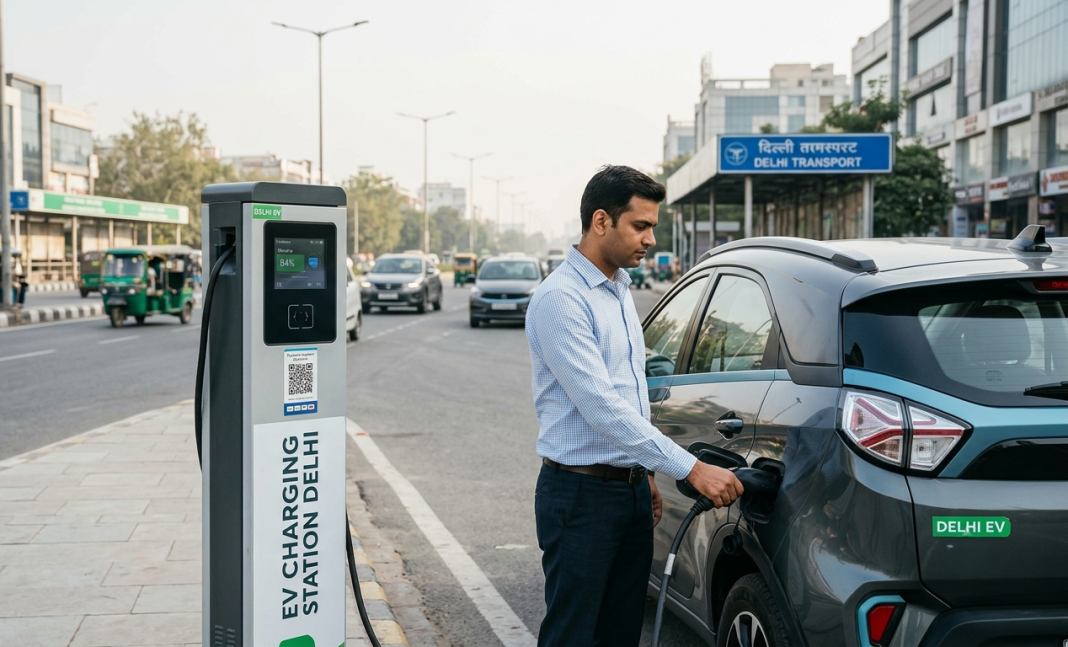

Buying an electric car in Gurugram, Faridabad or elsewhere in Haryana may now cost noticeably less. On July 28, 2026, the Haryana Cabinet approved a 100% Motor Vehicle Tax exemption for new pure electric vehicles priced up to ₹30 lakh, based on ex-showroom price.
The relief covers eligible electric two-wheelers, three-wheelers and four-wheelers purchased and registered in Haryana. For car buyers, the largest saving could reach about ₹3 lakh on a ₹30 lakh vehicle, based on the state’s usual 10% road-tax slab above ₹20 lakh.
What Haryana’s New EV Tax Decision Changes
Earlier, electric and battery-operated vehicles received a one-time 20% rebate on Motor Vehicle Tax. The decision replaces that limited relief with a complete waiver for eligible EVs costing up to ₹30 lakh. Electric vehicles above this price will receive a 50% exemption.
The Cabinet move follows an announcement in the Haryana Budget 2026-27 on March 2. In May, Transport Minister Anil Vij said the state was considering a full EV tax waiver similar to Delhi and Chandigarh. The official Haryana government release on the proposed EV exemption also mentioned plans to purchase 500 electric buses.
The existing 20% Motor Vehicle Tax rebate for CNG vehicles will continue. Haryana has separately approved a rebate equal to 1% of the ex-showroom price for new non-transport vehicles costing up to ₹20 lakh when registered in a woman’s name.
How Much Money Could Electric-Car Buyers Save?
Haryana’s regular road tax for private cars is generally 5% up to ₹6 lakh, 8% between ₹6 lakh and ₹20 lakh, and 10% above ₹20 lakh. Buyers should check the final figure through the official VAHAN Motor Vehicle Tax service or dealer invoice.
Under the earlier 20% rebate, buyers still paid 80% of the normal tax. With a full exemption, that remaining amount disappears for qualifying EVs.
- A ₹10 lakh EV could avoid ₹80,000 in normal tax and save ₹64,000 over the earlier concession.
- A ₹15 lakh EV could avoid ₹1.20 lakh and save an additional ₹96,000.
- A ₹20 lakh EV could avoid ₹1.60 lakh and save another ₹1.28 lakh.
- A ₹25 lakh EV could avoid ₹2.50 lakh and save ₹2 lakh over the old rebate.
- A ₹30 lakh EV could avoid ₹3 lakh and save ₹2.40 lakh compared with the earlier rule.
For a premium electric car priced at ₹40 lakh, the normal 10% tax would be about ₹4 lakh. A 50% exemption could cut that bill by roughly ₹2 lakh.
Which Vehicles Qualify And What Should Buyers Check?
The waiver applies to new pure electric or battery-operated vehicles bought and registered in Haryana. Hybrids have not been listed under the full exemption. The ₹30 lakh ceiling refers to ex-showroom price, not the final on-road amount after insurance or accessories.
Buyers should ask the dealership for a written on-road breakup before payment. The Motor Vehicle Tax line should show the revised exemption once reflected in the registration system. Insurance, FASTag, hypothecation, number-plate charges and optional accessories may still appear separately.
Anyone booking a car near the ₹30 lakh limit should confirm whether the selected variant remains within the cap. A higher trim or manufacturer price revision could push it into the 50% exemption category.
Why Haryana’s EV Waiver Could Shift Buying Decisions
The policy arrives as buyers compare electric SUVs and family cars with petrol and diesel models. Removing a tax bill of ₹1 lakh, ₹2 lakh or ₹3 lakh can narrow the upfront price gap immediately, rather than waiting years to recover it through lower running costs.
It may also reduce the urge among Haryana residents to register vehicles in Delhi or Chandigarh for tax reasons. Dealers in Gurugram and Faridabad could see stronger interest in EVs priced between ₹20 lakh and ₹30 lakh, where the saving is highest.
The final benefit depends on the ex-showroom price, vehicle category and tax shown during registration. Buyers should verify the updated amount before paying and avoid treating insurance, registration charges and Motor Vehicle Tax as one item.
FAQs
Is Haryana’s EV tax exemption available across the state?
Yes, eligible vehicles must be newly purchased and registered anywhere within Haryana under notified conditions.
Does the waiver cover electric cars above ₹30 lakh?
Cars above ₹30 lakh receive a 50% Motor Vehicle Tax exemption, not a complete waiver.
How much can a ₹30 lakh EV buyer save?
The buyer could avoid roughly ₹3 lakh in regular tax, subject to final registration calculation.
Are hybrid cars covered by the full exemption?
No full waiver covers hybrids; the decision specifically applies to pure battery-operated electric vehicles only.
Will buyers still pay insurance and other charges?
Yes, insurance, hypothecation, FASTag, accessories and certain registration-related fees may remain separately payable after purchase.