

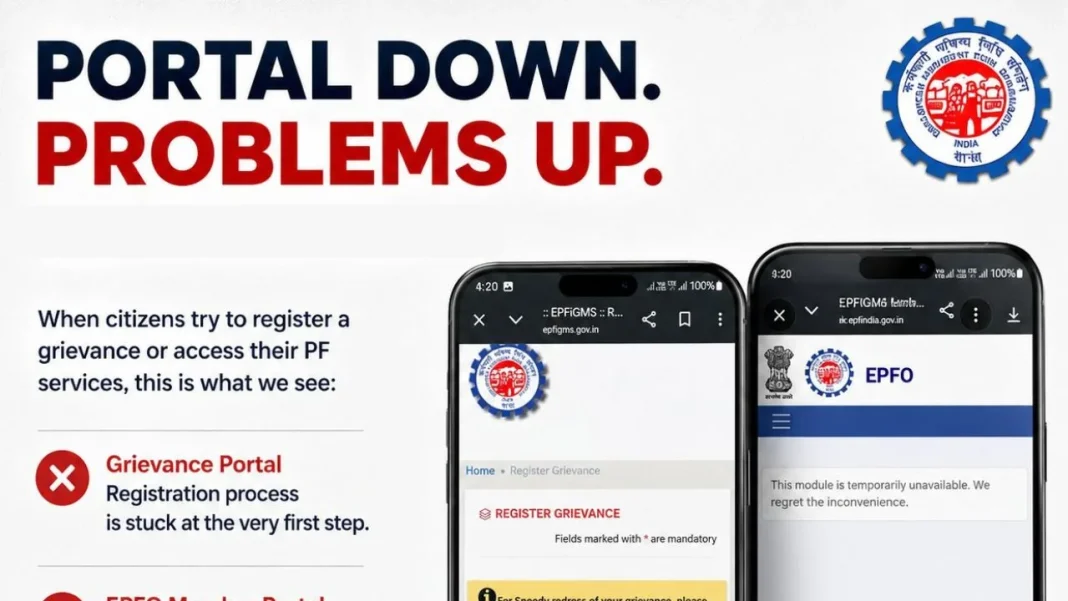

Why is a PF withdrawal still showing “submitted” when EPFO’s new system was meant to make settlements faster? The question has become sharper after the EPF Officers’ Association alleged that lakhs of auto-processed claims remained pending for more than 20 days following the July 2026 rollout of the Centralised IT Enabled System, or CITES.
The dispute now has two sides. Officers blame technology gaps and thin staffing. EPFO says the temporary rise in pendency came from migration to a new enterprise-wide platform. For members waiting on medical, education, housing or retirement withdrawals, the immediate concern is simpler: when will the money arrive?
Why Are EPFO Claims Remaining Pending For More Than 20 Days?
CITES was designed to move EPFO towards centralised, automated processing. According to reports on the officers’ August 3 letter, most eligible claims were expected to be completed within two or three days.
Instead, the association alleged that lakhs of auto claims crossed 20 days without a clear explanation reaching members or field offices. Business Today reported that local teams were then handling complaints through grievance portals, social media and office visits.
The officers’ body said CITES was awarded to C-DAC in January 2023 with an initial 10-month implementation target, but reached phased implementation only in July 2026. It also said EPFO has not directly recruited to its Information Services Division since 2004 and has been without a full-time chief technology officer for three years.
Staffing is another pressure point. The association said sanctioned manpower still reflects March 2008 levels, while the last organisation-wide workload study was conducted in 2016-17. Delhi, Mumbai, Bengaluru and Gurugram offices were specifically cited as being under strain.
What Has EPFO Said About The CITES Claim Backlog?
The latest update adds an important counterpoint. On August 9, The Times of India reported that EPFO rejected the broader criticism and said the temporary increase in pending claims resulted from migration to a new enterprise-wide platform.
That response sits against high expectations. CITES was promoted as a route to faster automation, while EPFO has already been expanding auto-settlement. Its official FAQ says an EPF claim is required to be settled within 20 days.
There were warning signs around the migration. In an official EPFO post on X, the organisation said a system upgrade was in progress, and member and employer services would resume on July 3, 2026. The post does not say claims would remain delayed for weeks, but it confirms a major technology transition was taking place.
A migration backlog is also different from an individual claim problem. Bank details, Aadhaar or UAN mismatches, service-history errors, employer records, eligibility checks or manual verification can separately slow a withdrawal.
What Should Members Do If A PF Withdrawal Is Stuck?
A member whose claim has crossed the normal processing window should first check the status rather than submit the same withdrawal again.
The most useful steps are:
- Check the claim through the member portal or UMANG and note the submission date and claim ID.
- Recheck Aadhaar, bank account, name, date of birth, and UAN-linked KYC details.
- After 20 days, lodge a complaint through the official EPFiGMS grievance portal.
- Save screenshots, acknowledgement numbers and messages received from EPFO.
- If the grievance remains pending, use EPFO’s escalation route or helpline 14470.
EPFO’s official FAQ states that claims are required to be settled within 20 days. EPFiGMS lets PF members lodge and track complaints using their UAN, giving members a formal route when an online claim stops moving.
Can A Claim Be Delayed Even After It Shows Approved?
Yes. Approval and bank credit are separate stages. A technical payment issue, bank return or reconciliation problem may delay credit after approval. Keep the settlement message and compare it with the bank statement before raising a grievance.
Will EPFO Claim Delays Improve After The New System Stabilises?
That is now the main test for CITES. A centralised platform can reduce manual movement between offices, but software, staffing, data migration and grievance handling must work together. The officers’ association wants more in-house technology professionals and updated manpower norms. EPFO says the higher pendency was temporary.
For subscribers, the coming weeks will show which description better matches everyday claim processing. The bigger story is not just a new portal facing early trouble. EPFO is trying to automate withdrawals at huge scale while members increasingly expect bank-like turnaround times.
The organisation is also preparing newer payment routes, including planned BHIM-UPI-linked settlement for approved PF claims. Faster payment options will help only when the claim itself moves through verification without getting trapped in a queue.
FAQs
Why is my EPFO claim pending for more than 20 days?
Technical migration, verification issues, KYC mismatches, or checks can keep an EPFO claim pending longer.
How long should EPFO normally take to settle a claim?
EPFO’s official FAQ says a provident fund claim should be settled within twenty days total.
Where can I complain about a delayed PF withdrawal?
Members can file a grievance on EPFiGMS using their UAN, claim details, and records online.
Should I submit another claim if my first claim is pending?
Avoid duplicate filing unless EPFO rejects the earlier claim or asks you to resubmit it.
Can CITES make EPFO withdrawals faster after the backlog clears?
Centralised automation can shorten processing, provided migration issues, staffing gaps and verification errors are reduced significantly.